Why Personal Service Still Wins
Booking a flight or a hotel online takes minutes, yet demand for personal, face-to-face travel advice keeps growing rather than shrinking.
This conversation covers how one family-run agency built its reputation on trust and financial protection, why cruises now make up almost 40% of its business, the hard conversations behind a family business succession, and how the team kept the doors open through COVID and beyond.
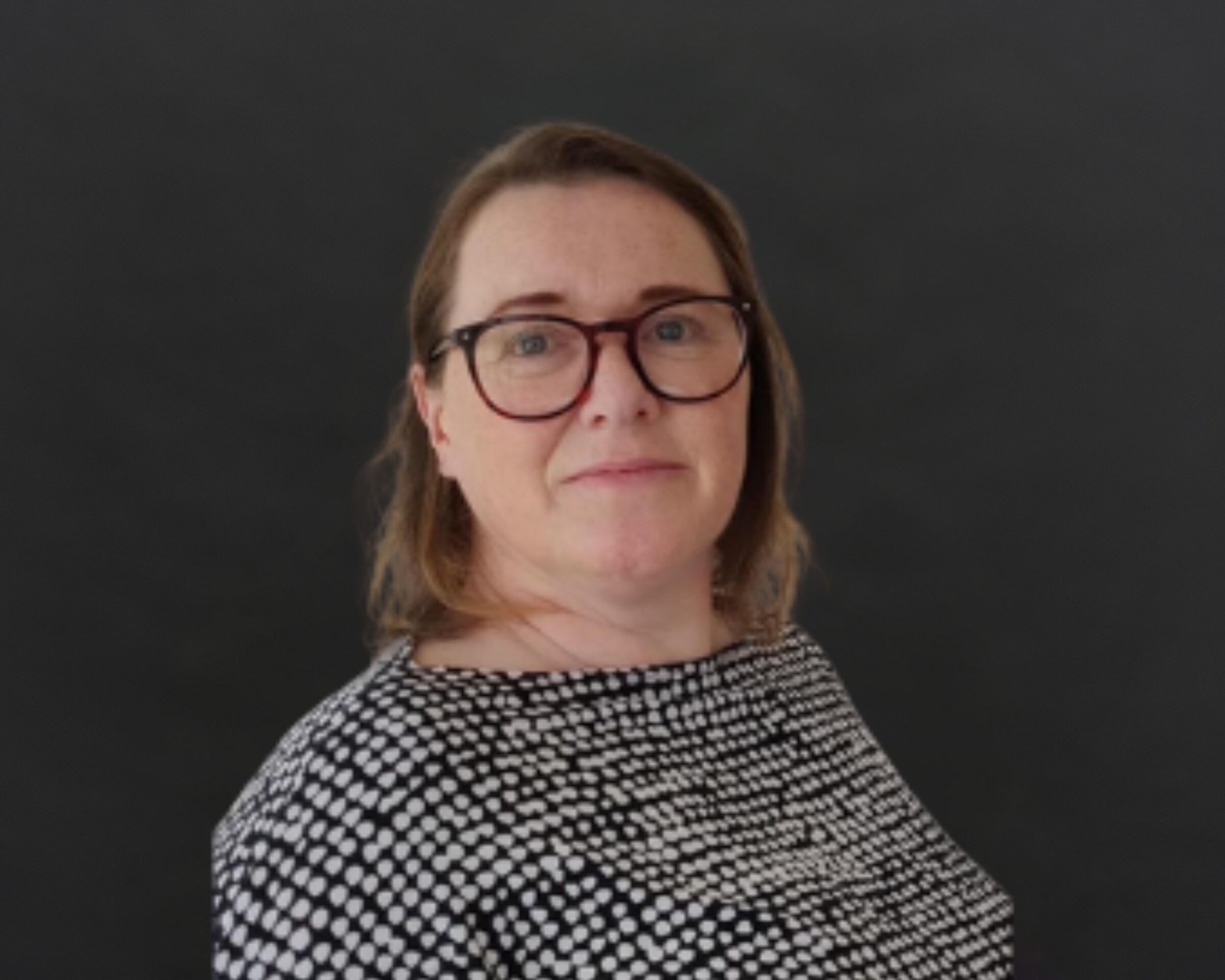
Joining Larissa is Emma McHugh, Managing Director of Atlantic Travel, one of Ireland’s leading independent travel agencies based in Letterkenny, Co. Donegal. Emma took over the family business from her father and aunt nine years ago and has since been named TTG Manager of the Year for Ireland and the UK, with Atlantic Travel twice named Worldchoice Cruise Agent of the Year.
THINGS WE SPOKE ABOUT
- Building trust in a market flooded with online options
- The financial protection built into every bonded holiday booking
- How Atlantic Travel became specialists in cruise holidays
- Taking over the family business and navigating COVID
- Why low deposits and word of mouth drive bookings
GUEST DETAILS
Emma McHugh is Managing Director of Atlantic Travel, one of Ireland’s leading independent travel agencies, based in Letterkenny, Co. Donegal. She took over the family business from her father and aunt nine years ago, having previously worked as cabin crew and in beauty industry management.
Emma has received numerous prestigious accolades, including TTG Manager of the Year for Ireland and the UK, and TTG Top Agency in Ireland for two consecutive years, an achievement made even more significant as it spanned the COVID-19 period. Atlantic Travel has also been recognised by the Irish Travel Agents Association (ITAA) and the Irish Travel Industry Awards (ITIA) as Top Travel Agent in Ireland, and was named Worldchoice Cruise Agent of the Year for two consecutive years, in 2024 and 2025. Emma has served as both a Board Member and Treasurer of the ITAA.
TRANSCRIPTION
For your convenience, we include a 95% accurate machine transcription of the conversation.
Emma McHugh
You really need to, I suppose, understand what your clients’ likes are before you’re able to match them to the right ship, and that’s why the relationship part is so important. Because if you don’t get that information from the client, you’re not getting it right in terms of matching them to the right product.
Voiceover
No unicorns, no brands, just hardworking people who built their business from the ground up, sharing their experience so others can learn. Presented by Larissa Feeney from Kinore. This is Real Business Conversations.
Larissa Feeney
So right now you have a very successful travel agency business. You’re competing in a very traditional sector, and I’d love to understand how you manage to maintain relevance in the eyes of your consumer whenever they’ve got so many options available to them right now in terms of booking travel.
Emma McHugh
Yeah, it’s. I suppose it’s a mix. It’s. It’s not. It’s not black and white, and it’s not kind of just one answer will suffice. We would have, I suppose, we’re traditionally a retail agency, and we are not bookable online. But we do operate. We can book. People don’t have to come into the office to us. So, so we would do an awful lot by email, by Zoom. But for a lot of our customers, they want our advice and they want it face to face, and they want personal service.
So between that and I think with online there can be a little bit of choice fatigue and often online misinformation. So for example, people looking up TripAdvisor, it’ll give that perspective from the person that’s input that information into TripAdvisor or or a review. But we would be looking at it from the eyes of our client, so so that person could have had young children. That resort or that property might have been suitable.
So when we look at something for a client, I suppose it’s it’s backed up by the the personal relationship we have with them, so we would have a huge repeat business. So we know what our clients like, we know their preferences. So our eyes, I suppose, would be focused with that in mind. So they’re getting a much more personalised service than I suppose going round online. Now a lot of people will still back up, and they’ll come in and they’ll come back into some, and they will have researched some stuff as well when they come back in, and and they like what we have given, or maybe they’ll be like they want an alternative, but it’s it’s it’s more so the the backup and the choice that we offer.
It’s not biased. We’re not linked to any particular hotel groups. So, for example, we would deal with all the major tour operators. We would have contracts with independent hotel groups, cruise lines, etc. So, we’re not focused on backing a particular brand. So, if you go into, say, for example, a TUI shop, they can only sell TUI products. So, that’s all that a client would be offered, where we would deal Jet2, TUI, Sunway, Crystal Ski, Royal Caribbean, Silversea, like across the board.
So I suppose our eyes are looking at it from what’s best for the client, not necessarily just what product we have in our shelf, essentially to sell.
Larissa Feeney
Okay, so then so for the consumer, for example, who’s I understand the comparison to TUI, for for example, but for the for the consumer who’s looking online, it’s the objectivity that you’re offering, as opposed to if I go look online, then I suppose I’m more than likely to see who what company has invested more in marketing, in advertising, in SEO, or whatever to make themselves visible to me? And unless I know enough to dive deep into reviews, then and even at that, I suppose there’s question marks over the authenticity of a lot of those reviews. Sometimes, isn’t there?
Emma McHugh
There can be, and some of them are quite helpful, but sometimes it has to be looked at objectively, and with I suppose the knowledge behind, we would have firsthand experience an awful lot of the properties that we sell, and an awful lot of the cruises. Like we don’t sell any cruise line that we actually haven’t travelled with ourselves, and we we we have been asked for other cruise lines, and we just can’t put our hand up and say, yeah, we we would recommend it just because it’s an easy sell.
Somebody comes in and looks for it, and it’s like going, well, I’m sorry, I can’t actually verify that it it is what you’re saying it is, if if that makes sense, so a lot of it is based on our own personal experiences.
Larissa Feeney
So your customers then they’re looking to you for your opinion, your professional opinion. So it’s trust then, um, essentially it’s trust that you you have with your your customers because of the. Experience and the knowledge you have of those services, so they’re looking to you for to guide them. Really,
Emma McHugh
essentially, yeah, yeah, definitely. And there’s also the financial protection piece, which is is completely different.
Larissa Feeney
Yeah, talk to me about that. Yeah.
Emma McHugh
So, as a travel agency in Ireland, you have to be bonded and licensed by the Irish Aviation Authority, and what that means is that you are quite stringently looked at in terms of your accounts and your operating model, and you’re granted a licence on the back of that, which means for the customer, if something was to happen to to your business, or if there was some kind of event, say some agencies closed during COVID, that you are fully protected.
So if you haven’t travelled, you’re financially protected. Your money is there. If you have travelled, and you need to be repatriated or brought home, you’re also covered because of that bond and that licence that’s in place, and not all travel that is advertised on a .ie website is necessarily licensed and bonded. So people can find that information on the IAA website because everybody that has a licence is listed there.
But just because they appear on a Google search does not necessarily mean that the financial protection is there.
Larissa Feeney
So, what happens in reality then? I mean, do you have examples, or have you has it happened where some of your customers have been stranded abroad and have had to be brought home, where you’ve had to get involved?
Emma McHugh
Yeah. So, I suppose what I in relation to the licence and bond, they would be brought home if if if a travel agent was to go out of business, but it regularly occurs with, and generally it will tend to be because of an illness or somebody has had an accident, or there’s been there’s been a world event where volcanic ash, September the 11th, where people need assistance standing in a queue at an airport, hours and hours and hours.
So to have somebody else on the phone looking at that for you and rebooking you, sending you an email, new confirmation, it takes an awful lot of the stress out of that. As opposed to that being in that customer’s hands if they have booked it themselves.
Larissa Feeney
I think you only realise the value of that whenever it happens, you know. Whenever you’re, if you’re stranded and you’re looking to book something or trying to get home in an in an emergency situation, it’s only that’s when you. It’s like everything, isn’t it? You only you only value the service whenever you need it. When you need
Emma McHugh
it, and you know it is easier when somebody might be travelling on their own or if it’s two adults. But if you have three or four children with you, if you have travelled with an elderly parent or something like that, that’s when it just becomes a nightmare.
Larissa Feeney
Yeah, it’s almost like an insurance. Absolutely, you know that that you covered. Yeah, yeah. Okay, fascinating. You mentioned cruises there. Have you? Do you specialise in cruises? Is that like a niche that Atlantic Travel specialises in?
Emma McHugh
That is, yeah. So when I came into Atlantic Travel, it it’s probably about 910, years ago now. Well, nine years ago now, it wasn’t something that that we sold, and it wasn’t really a big piece of the Irish market at that stage. It has grown immensely over the last three or four years, um. But we um received an invitation to go on a ship launch, and it was my first time on on a Royal Caribbean ship. I just thought to myself, “This is so different.
Why aren’t we selling it? Obviously, it’s been sold in other markets. So when we returned, we kind of looked at just going to further training, developing, I suppose, better relationships with with cruise suppliers, and within the industry, the industry is a really, really positive industry to be in. But there was a competition launched in the UK for a store makeover, so I had stepped in our our office at that time.
It was like a high counter, nearly like a bank. It was really, really, it was old school, and it was it was tired. It needed a refresh. So, this competition was going to be supported by a publication in the UK and Royal Caribbean, and they were going to come in, pay for a designer to redo your office, and and basically all you had to do was enter. You had to put in a proposition. You had to. You actually had to design a store, and I love that kind of stuff.
I love the creative piece. So in it went. It was open to everybody in the UK and Ireland, and we won. Wow. So yeah. So that kind of then was. It was definitely it was fantastic to have like it was worth about I think it was about 20,000 pounds at the time, which was a lot of money, and it wouldn’t have been money that the business could have afforded. But what it did was it really gave a morale boost to staff. They were working in a brand new office.
It felt like a new, you know, a new business. And then we started to get more attention than from different cruise suppliers who were interested in working with us, and it just kind of snowballed from there. So it went from 0% of our business to about it’s probably nearly 40% of our business at the moment and growing.
Larissa Feeney
Wow, that’s a big chunk of your business. It is, yeah, amazing. And you say that’s growing every year.
Emma McHugh
It’s yeah, the growth in it is huge, and it’s it’s in terms of cruise, it is the kind of product where somebody needs it’s niche. So a lot of people, when they’re booking a cruise, they want to make sure they have the right cabin type, the location that they’re not underneath a noisy area, that they’re not beside a smoking area that it’s suitable for children. You know the bed configuration. You don’t get that information necessarily online when you’re booking it.
But with cruise, it’s one of the items as well where there’s price parity, or it’s actually cheaper to book with an agent than direct. So,
Larissa Feeney
um,
Emma McHugh
because of the relationships that we would have with some with with some cruise companies, we was supposed we get extra overrides based on sales in the year, so that allows us to work on margins. And we are part of a consortia, so again, bulk buying from from Royal Caribbean, MSC, Celebrity, there is incentives there that will allow us, and when we’re packaging it together for a client to be able to be more competitive, not hugely, but we would still be able to be cheaper than booking direct with a cruise company.
Larissa Feeney
Like I’ve never been on a cruise, so it’s always one of those things that I think I would love to do at some point. But I understand completely the way you’ve described it. It sounds to me very overwhelming.
Emma McHugh
We would sell 160 different ships just for ocean, never mind river. So within those 160, you could have like there’s multiple cruise lines within that. But within a cruise line itself, they will have different classes of ships that are suitable for different people, depending what they’re looking for. There’s as many ships as hotel types, so you could have a boutique hotel that’s adult only. You could have something that is you just want it.
It’s kid focused. You could be a real foodie. So it it you really need to, I suppose, understand what your clients’ likes are before you’re able to match them to the right ship, and that’s why the relationship part is so important because if you don’t get that information from the client, you’re not getting it right in terms of matching them to the right product.
Larissa Feeney
I can really see that. I mean, I had an example recently where a friend of mine booked a cruise and booked one that was not suitable for children. In fact, they were hers. were the only children on the ship, and she really didn’t enjoy her time there because, well, it was the wrong ship for her. So I can I understand completely why experts would be needed, and you’ve so you you’ve you specialised in that niche, and that’s growing.
But that, as you said, has only come in since you took the business over about nine or 10 years ago. Can you take me back to that time then? Because you took the business over from your dad and aunt. So succession of a business from one generation to the next is something that our clients struggle with all of the time.
Emma McHugh
How did you do it? Did you do it well? I suppose whenever you look back at it now, and maybe if you if you can talk to us about some of the lessons learned over that period. Yeah, it’s on reflection. I definitely would have done things different. Okay, I think I went in for other reasons. We ended up moving to Donegal. We weren’t living in Donegal, and my dad had an agency in Donegal, but he’d also had one in Cavan and Monaghan as well.
They had closed, so the only one left was in Letterkenny. And as that happened, I moved, and I was asked whether I’d be interested in going in and seeing if I wanted to go in and run it.
Larissa Feeney
And what was your background, Emma, before that?
Emma McHugh
After college, which wasn’t for me. I went and I was cabin crew for seven years, and then I went into the beauty industry where I was a manager of a couple of salons, and I actually taught as well for a short while, and that was before we moved up to Letterkenny. So we moved up, and I was kind of it wasn’t something that I initially was on my radar at all because I’m not necessarily a salesperson. So I said, I I will go in and have a look, but I’m I don’t want to be involved in the sales.
I prefer to see what can be done with the business as opposed to just sit in and and and selling. And I went in initially, and you know it’s it’s a difficult one to do because you had staff there that were there for at that time maybe 25 years, and in comes Joe Blogs in to see what she she thinks of the business and and and. Has no essential experience in it,
Larissa Feeney
and not happy to sell, which is where they’d be thinking, you know, start selling, Emma.
Emma McHugh
Yeah, and I suppose where my dad and my aunt they were not hands on, so it was they weren’t living they they weren’t living in Donegal, so it was very much, um, it was just ticking by really, and I I I think it was if if I wasn’t interested in going in, they probably were going to close it down at that stage. And so I went in anyway, and having worked with people and managed people, kind of the first few months I just thought, okay, this this could work because for me, previously, once you had the right people in place, everything else I think can either be taught or trained, or you know, different suppliers can come in, relationships can develop.
But the team was there, and I kind of just thought, okay, the team was really, really good. They just didn’t have anybody there, essentially, to fight their corner and and and to invest things to guide them to grow their business. Yeah. So fast forward, I was in. It was very slow. I was under the radar. I just kind of went in, listened and learned, and and really was like a sponge because I didn’t I didn’t have any background in in I suppose the accounts side.
We didn’t have a social media presence at that time. Didn’t have a website at that time, so it was just it was a slow burn for the first couple of years, and then my dad passed away there about three years ago. So I I inherited his his portion of the business, and in terms of the legacy piece, I avoided difficult conversations. Prior to that, I was in there to turn the business around, which I did. However, I kind of should have been braver about asking about.
Obviously, I knew my dad was was I was going to inherit his his side of the business, or it was going to be handed over at one point, but my understanding was different than what actually ended up happening with my aunt. So, but that was naivety on my part, and again, as I said, not wanting to have specific conversations. So, I ended up having to buy my aunt out after turning the business around from loss making to profit making as an employee, and then it it just kind of it it went from there.
Lessons learned that yeah, have those hard conversations, as hard as they are at the time.
Larissa Feeney
Yeah, so you delayed you delayed that conversation by a few years, assuming everything was going to work out the way you anticipated it would.
Emma McHugh
Yeah, because I suppose my dad would have been like, “Oh yeah, yeah, that’s grand. That’s no problem ever. You you know you know you just you work, you turn it round, and at the end of the day, you know it will be handed over to you in in whatever shape or form that could have been between him and my aunts. Um, so it happened for half of, and it didn’t happen for the other. Yeah, which was very difficult, um, in terms of that that spanned COVID.
So for me and for the team in there, like that was, I would say, up until the end of October, the year COVID broke out, that was a seven day week. Um, with we were like, you were haemorrhaging money at the time because you had worked. The bookings that were lost were actually bookings that were taken in the previous year, so the work had been done,
Larissa Feeney
wages had been paid.
Emma McHugh
Yeah. So everything refunded, and then we were in a position where, um, because nobody knew what was going on in COVID, you you were moving bookings in. So the same body of work was being done to move the bookings forward a few months, and anyway everything cancelled out, and we had made the decision at the time that where refunds were being given out to clients. I know other agencies opted for vouchers, and they would they were legally allowed to do that.
But I just thought, no, when this is over, I would I don’t want to be having to honour vouchers, refund vouchers. I want to be able to have a clean slate and let’s start again instead of carrying those for another two three years, which a lot of businesses did. And I know that in travel, it it stopped them from being able to start when COVID finished on a fresh footing.
Larissa Feeney
They were like starting in the minus, if you know what I mean. They were yeah, they were playing catch up from the yeah. I know that was the right decision in hindsight, but a difficult decision that you made there.
Emma McHugh
It was, but it was what it was. It was really the best thing for the customer. So, in I suppose in an area like Donegal, where it’s really personal, you’re not on the phone to somebody, and you don’t know their kids in school, or you don’t know their. From a football club, or you know, and you want the best for them, and if it’s physically possible to do, then it’s done. So the that was we decided to go with that, and whatever whatever came out of that after COVID, um, we would deal with that, but we weren’t going down the line or refund credit notes and stuff like that, because we wanted these customers to come back, and and and they did.
Larissa Feeney
I think that was a very brave decision that you made, because by doing that, I know you can look back in hindsight now and say you started off with a fresh slate, and you know it was nice and clean, but actually, that must have left the the business very vulnerable at that time because obviously your cash, yeah, yeah, yeah, yeah, yeah, yeah,
Speaker 1
yeah.
Larissa Feeney
Um, and you had no visibility over when or indeed if travel would would start up again, right? No. Um, and there’s been a couple of times like that over the last few years where travel has been hit. Um, this
Emma McHugh
year as well, like oh, really, April with the Gulf, yeah, yeah, okay. Um, again, it’s it’s not your entire business, but it does affect segments of your business. So, like, um, anything to Vietnam, Cambodia, Thailand, Australia, the Gulf. That was that was April was quite a heavy month for travel. If if that was part of your business, and that hasn’t really recovered yet.
Larissa Feeney
Okay, for
Emma McHugh
the leisure market, for corporate, yes, but not not necessarily for leisure.
Larissa Feeney
Yeah, actually thinking about it, I mean, I’m I’m sure people are reluctant to book Dubai, for example, now.
Emma McHugh
Yeah, it’s still not on, and the UK market now. There’s they’re always a little bit ahead and a little bit. I don’t know if braver is the right word, but even after COVID, the recovery would have been much quicker in the UK market. They’re quicker to go back, even for like the likes of Tunisia, Turkey, some of those places that we would see a slide because of political unrest. They’re they’re much quicker to bounce back on it, but yeah, for the Irish market, Dubai wouldn’t for leisure really hasn’t friends and family.
Yes, we would have a lot of people going now to see see relatives Australia and and Dubai, but for a solely leisure market, not just yet.
Larissa Feeney
How do you build that resilience, Emma, over nine or 10 years? You know that those, you know, the ups and downs, the peaks and troughs. Something’s happens that completely outside of your control that derails the business and knocks you sideways, and you have to get up again and and go again and probably show up with a smile on your face. How do how do you do that?
Emma McHugh
I think if you think about it, you wouldn’t. To be honest, I think it’s just very much a day at a time. I think if you love what you do, it’s much easier. If you have good relationships with the people you work with, it’s much easier. But that’s just the nature of travel. There’s all there is something, and it is one of those. It’s one of those markets. Like it is crazy busy at the moment. Political weather events. Anything can happen that’s completely outside of your control, and it impacts.
It can impact the industry very significantly. But it’s as we say, we’re very, very lucky. We work in an industry where people are coming into you, and 99% of the time they are so excited through all processes. They through the inquiry stage, the booking stage, coming in just before they’re about to go away. Like it’s a really positive industry to be working in. So we feed off that, and I suppose we get excited for our customers as well because we know exactly what’s ahead of them.
If it’s first time on a cruise or first time in new destination, you know, it’s really, really nice and positive industry in general to be working in. So I think that makes it easier to kind of, you know, it’s cyclical. You know, this isn’t going to last forever, but it is something that you have to be able to be flexible in terms of how you operate. If you need to pull back hours, or if you, you know, your your costs, you really need to keep an eye on an awful lot of that for those particular ups and downs,
Larissa Feeney
just in case for the ups and downs. Yeah, if I take you back to whenever you first took over the business, I mean, you you mentioned turning it around. What did you do to turn it around? Because the business was just as competitive, or the sector was just as competitive in different ways, I suppose, 10 years ago, um, as to what it is today, and you were coming with no experience in the sector, apart from obviously your father knew knew knew knew a lot, so maybe you had learned more than a complete newbie to to the business.
What did you look to to turn it around? What was the what was the key?
Emma McHugh
I think relationships with suppliers, and I think. It was definitely one of those things. I was very conscious of making the effort. If there was something on in Dublin, if it was a lunch, I would go. If it was a two-hour meeting, I would go. And at that time, we wouldn’t have been doing an awful lot of Zoom or Teams meetings. So it, it, and a lot of those relationship-building pieces are in person. So it was forging new relationships with suppliers.
Like Donegal is is very far in terms of road trip. So even for them, they had to start kind of coming up. Once we kind of got in, you know, we were getting attention from them. It was kind of like one supplier would see another supplier come up to the office and let it canny, and then they’re like, “Okay, all right, we we need also to be up there. They’re obviously doing something. They’re growing their business. But that took, I would say, about two years of in-person events.
You had to say yes to an awful lot of stuff that you not that you didn’t want to, but that involved a round trip in a day to Dublin.
Larissa Feeney
I was that person too, so and still am to a certain to a certain degree. But what what you’ve said is interesting because where a lot of businesses would do that to build a relationship with customers, you were doing it to build relationships with Suppliers, and it’s something that living. I mean, anybody who’s listening, who lives in a rural area and who’s building a business in a rural area, can you know empathise exactly with what you’re saying, because it is something that you have to do, right?
That I mean, you have to do if you want to sell to release. But you have
Emma McHugh
to do it. You
Larissa Feeney
have to accept it, and if you don’t do it, then there’s going to be an impact on the business, and that’s the reality. And you know that that that’s just it. But you, so for two solid years, and probably even more, you were travelling to to build those relationships. Um, and was that to get better prices? Was that to get the best suppliers? What was the outcome?
Emma McHugh
It it was to I suppose to be able to develop what we offer. So I really felt that we couldn’t, especially when it comes to cruise, that we couldn’t sell it properly without having experienced it. So really, you’re building those relationships to be able to get your team on board, to get in-house training done, to yes, to get better margins with certain suppliers, but it was more so to be able to get our team involved.
And I was very conscious from the beginning that I wanted everybody in the team to be knowledgeable across the board. So I know in a lot of agencies they might have two or three cruise specialists. They may have two or three honeymoon specialists. But I wanted, whenever a client picked up the phone, that anybody in our team would be able to help them with cruise inquiry. So it was very much everybody was involved, and because it was a new product, everybody was really eager to be involved as well, and it gave opportunity for everybody to experience something new, and it still is new.
Like we have, we like we are in ships an awful lot of the time. So we’ve we’ve had Legend of the Seas was launched there about a month ago. So we had two invited on that. We have another seminar at sea in August, and we have two more of our team on that. So because we sell so much with with with the different cruise lines now, we are involved in an awful lot more. Which a gives us credibility, but it also gives power to the girls when they’re selling it to sell with authentic knowledge and not to miss sell,
Larissa Feeney
yeah. Oh my God, what an amazing job, though. I mean,
Speaker 2
I know
Larissa Feeney
to be invited on cruises for for as a job. How does that that focus on supplier relationships? And I can see the importance of it in the business and how it helped transform the business. Can you talk to me about how you focus on customers? Do you target a particular demographic? How how do you do that?
Emma McHugh
We don’t, to be honest. And I know that, and I’ve looked at marketing as something that for a small, medium-sized business, I love, I love, and I’m interested in it, but it’s it’s very difficult to be able to invest time and the money that would be needed to be able to compete and and as you said target certain demographics. A lot of our customers are referrals, word of mouth. A significant, I suppose, portion of our our customer base is not what you’d necessarily think.
It’s it’s not an older clientele. It’s it’s young families. So about 60% of our summer stuff would be would be the family market with smaller kids, and traditionally people would think, oh, these are these are people that are completely. With booking online, and
Larissa Feeney
that’s really interesting statistic. 60% of your summer travel would be young families.
Emma McHugh
Yes, yeah, yeah, and we would be higher because we sell out of Belfast and Dublin. We would have in Donegal a higher percentage of the family market than anywhere else in Northern Ireland, which is also interesting. So, package holidays out of the north would traditionally have more couples than the family market, but in Donegal, it just is. It is. It’s. It’s slightly higher than it would be in in the rest of the north.
Larissa Feeney
Do you have any insight as to why why are young people like as you say? I would have imagined young couples and families would be perfectly happy to book online. Do you have any insight into why you’re seeing that that change?
Emma McHugh
I suppose the family piece started to increase after COVID. I I can’t actually tell you to be honest. Pinpoint why it is. I know that we would have a lot of referrals. We would have people that I suppose maybe just want to pay a low deposit as well. Yeah.
Larissa Feeney
Okay.
Emma McHugh
Pay in for something. We participate in the Shop LK voucher scheme, which is is fantastic, and we would have a lot of our clients use the shop LK, so come Christmas or the end of year, or even for workplaces that offer the the Small Benefit Exemption, like we would see an awful lot of that come in. So it’s it could be a mix of that, and I also think it’s the recommendation maybe overwhelm for some people that they’re not just too sure. Is this place the right place?
Larissa Feeney
Yeah,
Emma McHugh
for my kids.
Larissa Feeney
Yeah, yeah. It’s probably a combination of all of that, and the the trust aspect. I would imagine is plays a huge part because Do I suppose does the younger generation trust what they see online? Maybe not fully. Maybe as you say, if it was just them, but if they’re bringing their kids along, they want to make sure that it’s 100% suitable for them.
Emma McHugh
And a lot of the time, it there is price parity. There’s sometimes where there’s not, but more than often, we will be able to offer the same price as as somebody booking something similar online, and often a package price is it can be cheaper than booking flights and accommodations separately, depending on on who the airline is and depending on what fares are used, whether it’s long haul, short haul, like there’s there’s so many different varying factors.
Like a lot of our US stuff, we can offer 50 euro deposits for flights and accommodation.
Larissa Feeney
Like
Emma McHugh
so, you know, for somebody that just wants to pay in and doesn’t want to have a big outlay, it’s significant.
Larissa Feeney
It is significant, yeah. It is. I mean, if you’re booking a family to the US, or indeed a family anywhere, you know, you mightn’t have two or 3000 or whatever it is, but you will have it by the time you go. So, yeah, no, that that could be that could be it. Emma, see on the point that an individual can go in and pay a low deposit. How does that work from a business model perspective? You know, if a customer is that a commitment for you to make a payment for the holiday on behalf of the customer?
Do you have to do that before the customer pays you? How do you manage that from a cash flow perspective?
Emma McHugh
So, where we would offer low deposits, like say 50 euro for a US trip, for and that would cover their deposit for their flight and their accommodation. We don’t pre-purchase seats on an aircraft, so it would be we would have a relationship with a supplier who we would our commitment would be 50 euros. So the deposit would be lost if the if the customer pays. But what we what is difficult is that the body of work has been done, so from the inquiry to you could have somebody come in two or three times, not too sure where you want to go, so that could be a couple hours work from a staff member that is lost, and that is that is the nature of the industry, but that is one of the more difficult things to deal with because that work essentially has been has been done by the staff member.
Larissa Feeney
Yeah, there’s nothing to show for it, and that’s probably about on average about one and a half or two hours per booking. Is it? It
Emma McHugh
can vary. It depends on how how complicated a booking can be in terms of how how the higher spend. Obviously, there’s a lot more consultation involved, but you could have somebody come in multiple times for quite a low cost holiday, and again, you could have given an awful lot of information. And this is something that not just happens to ourselves, but that person has come in three or four times, and that information is is given to them at no essential cost to them because we don’t charge consultation fee or anything like that, and they book separately.
So you know they come in and they’ve gotten the advice, they’ve gotten all of the information, so that’s as probably a bigger issue than somebody cancelling on a low deposit. Is is is not committing at all? Yes,
Larissa Feeney
yes, yes, yes, yeah. Yeah, absolutely. And I’d say you know your sector is no different than say, for example, what we would have heard about in the retail sector. If somebody goes and tries on a wedding dress and then goes and buys it online? It’s the the cost of actually dealing with the customer and guiding them, and then you don’t see any benefit for that. That’s very difficult. So, so your customers are local predominantly, and
Emma McHugh
nationwide, but yeah, predominantly local. Yeah,
Larissa Feeney
yeah. Okay, okay. And then you benefit from from word of mouth. You benefit from referrals, and you don’t invest in marketing at all. Is that right, or a little bit?
Emma McHugh
I am marketing, so not really. I do the social media, and but in terms of SEO and and all that stuff, yeah, you know, yeah, yeah, and body of work. I’d love to get my head around, but again, it’s it’s one of those things that you you try and set aside a week, and you’re going to dedicate it to that, and something else comes flying on your desk, and that could take up two days, and it’s that’s just the nature of it, but it is something that I’d love to be able to look at in more detail.
Larissa Feeney
Do you think the business has suffered from lack of marketing?
Emma McHugh
No, well, at the moment we are we’re we’re extremely busy at the moment. So like our turnaround time for inquiries, 48 hours for for an inquiry, and I suppose some people communicating that with somebody who rings in now because we’re both walk-in retail and we both deal with online and phone inquiries. So your priority is whoever is sitting in front of you that comes in off the street. So and that is at the moment we are very busy with that.
So the online inquiries then obviously have to have to line up beside that, but they can’t prioritise somebody that comes in and wants your time face to face. It’s just much higher conversion. And when somebody sends an inquiry, like for us to match the best holiday or cruise for them, we need a conversation with them. So three lines in an email, I can go any time, anywhere. If somebody isn’t able to give us 10 or 15 minutes of their time in a phone conversation, we’re not necessarily going to be able to get exactly what they have in their head is right for them.
And also, they’ve probably emailed half a dozen other providers, maybe more. Oh, we’ve been CC. Yeah, we like you. You do see it all the time. But
Larissa Feeney
it sounds like the business that you’re attracting is converting into the holidays that you want to sell. You’re been you’re known now, for example, for being a specialist in cruises. So anybody who’s looking to book a cruise will will probably go to you.
Emma McHugh
Yeah, but that’s probably the market that we’d be looking to grow because it is niche and it’s less likely to fall away from you in the future. And it’s a huge repeat business. If somebody who goes on a cruise is 93% to rebook another one,
Larissa Feeney
oh, it’s fascinating that, isn’t it? I heard that before, and I would imagine the average spend is is higher with that type of a customer than a normal package holiday. Is it? It is
Emma McHugh
for in terms of our revenue, but if you look at what somebody ends up spending coming off their holiday, if they’ve booked say self catering or if they’ve booked say a hotel BNB The outlay looks more expensive, but if you say, for example, I always use centre parks for a comparison to, um, say a four star kind of child family friendly cruise, um, where everything’s included: your all your food, all your activities, your zip lines, your surf simulators, your bumping cars, your your entertainment, everything’s included.
So you’re coming off it with no bill. If you go to centre parks for a week, like your food is extra, you get entry into the pool. But every every activity just notches that up. So if you look at what your spend is exiting for both for the client, it it offers a really really good value point.
Larissa Feeney
You’ve been impacted by the cost of living earlier in the year, the good weather, of course, across June and and July. All of this, I suppose, change and seasonality means that your ability to strategically plan. Is limited then because you can’t. You find it difficult to do it, I suppose, at this time of year. So it has to be pushed back to September, October, does it?
Emma McHugh
Yeah, yeah, and we do think that September this year is probably going to be a really busy booking time as well. So, and that’s not a bad thing, but it in terms of planning and in terms of recruitment and staffing and all of that, it’s hard to like when you bring somebody new into the business. Ideally, it would be a quieter time to to help train them up, and but sometimes you’re just throwing them in the deep end.
Larissa Feeney
Yeah, no, I know. I think that happens with all
Emma McHugh
just it. There’s no. We don’t have the same sequence every year. It’s not. It traditionally would have been January to March, really busy for the travel industry, people queuing out the doors. Then it would ease off, but it’s there’s no pattern. Pattern was the word I was out of her. There is no pattern anymore. Yeah,
Larissa Feeney
Emma, thank you very much. Emma McHugh, managing director of Atlantic Travel, thank you so much for sharing your incredible insights today. Thank you.
Emma McHugh
Thank you.
Voiceover
Thank you for listening to Real Business Conversations with Kinore. For more information on this episode, see the description area of this podcast or visit our website Kinore.com. Remember to press follow on your podcast player now, so you’ll get a brand new episode every single month. This podcast is produced by Dustpod.io for Kinore Finance and Business Services.