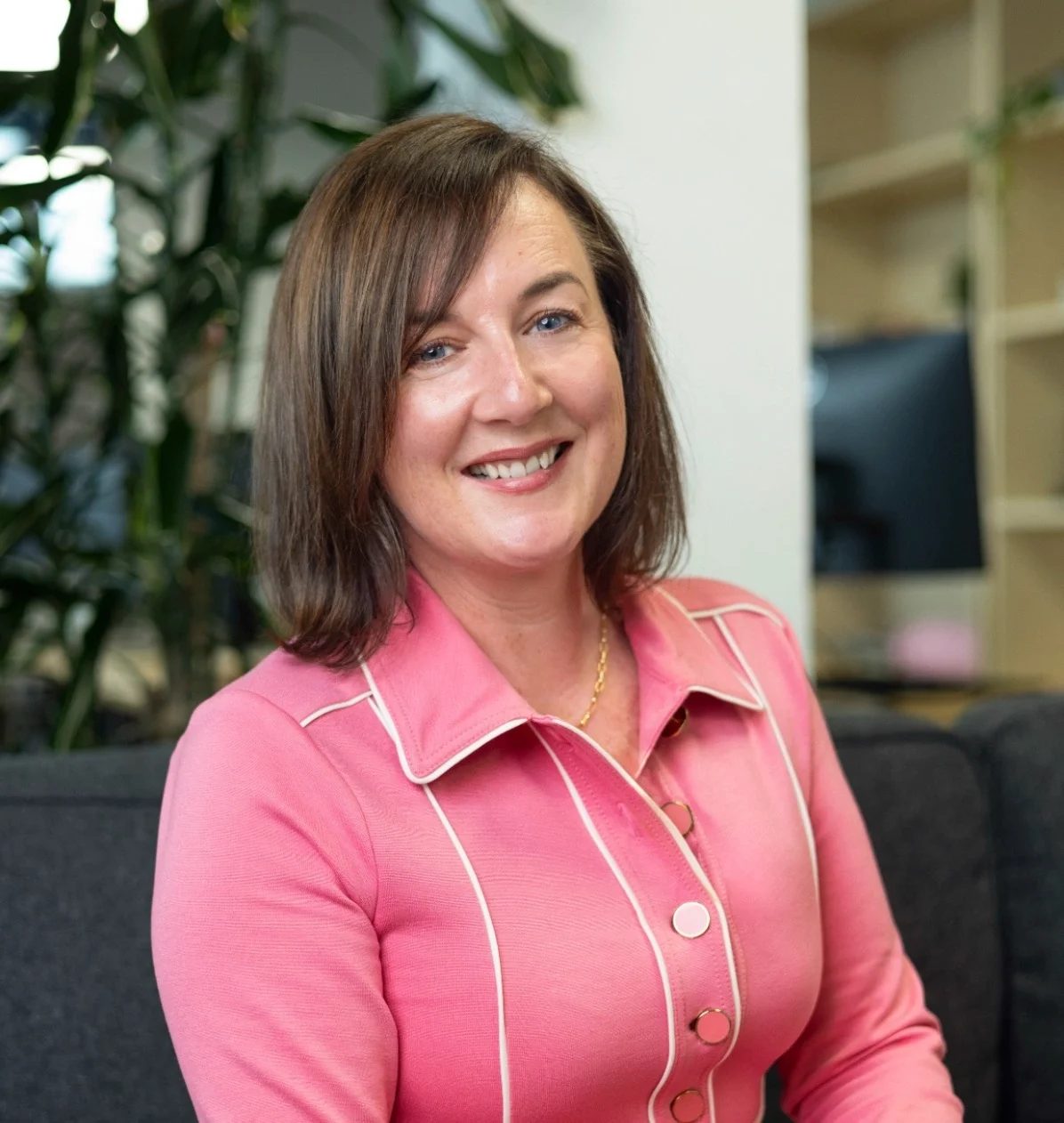

The Process Blend with Stephen Bell
Most founders stay stuck in survival mode because they confuse passion with strategy. True growth requires moving past the initial excitement and implementing the tight operational discipline that keeps a business alive.
This conversation examines the difficult transition from survival to scaling a manufacturing business in a hyper-competitive market. The dialogue highlights the strategic necessity of supply chain control and the power of focusing on core competencies. Joining the conversation is Stephen Bell, Managing Director of Bell Lane Coffee.
Stephen brings deep expertise in navigating regulated manufacturing markets, building direct-trade relationships, and successfully steering a business through the difficult teenage growth phase that every scaling company faces.
Things we spoke about
- Operational discipline as the primary driver of business longevity.
- The danger of dilution: focusing on core competencies to win.
- Building resilient supply chains to control costs.
- Managing the teenage years of a business without heavy debt.
- The role of financial literacy and cash flow management in scaling.
Guest details
Stephen Bell is the Managing Director of Bell Lane Coffee. He has successfully transitioned from a technical expert into a CEO, scaling his roasting business through a direct-trade model and avoiding the pitfalls of retail expansion. Stephen is an expert in navigating regulated manufacturing markets and maintaining operational discipline.
Company Website – www.belllane.ie
Social Media: https://www.linkedin.com/in/stephen-bell-85265538/
TRANSCRIPTION
For your convenience, we include an automated AI transcription.
Stephen Bell 0:01
You have to fail to succeed, and you understand that. Okay, you haven’t a million euros on the line that you’re never going to get back once it’s calculated, and we’ve taken loads of risks. My attitude is, what’s the worst can happen if I lose it here? I’m going to have to make it up somewhere else.
Voiceover 0:15
No unicorns, no brands, just hardworking people who built their business from the ground up, sharing their experience, so others can learn. Presented by Larissa Feeney from Kinore. This is Real Business Conversations.
Larissa Feeney 0:36
Passion gets a business started, but tight operational discipline is what actually keeps it alive. Our guest today turns successive career redundancies into one of Ireland’s leading commercial coffee roasteries, scaling a direct trade global supply chain right out of Mullingar. It’s a pleasure to welcome the Managing Director of Bell Lane Coffee, Stephen Bell. Hello, Stephen.
Stephen Bell 0:59
Hi, Larissa. Thanks for having me.
Larissa Feeney 1:02
It’s great to have you. I’m really interested in this business and in this sector, so I’m really fascinated to hear about the journey. But let’s go back a bit, I suppose, to before we hear about where you are right now. If I understand correctly, you had three redundancies in your career, is that right?
Stephen Bell 1:19
Yeah, early on, I suppose I would never have gone down the conventional route. I would be a bit of a purple cow in the field. I would be slightly different to everybody else. I would go about things. I always kind of worked as a kid, yeah, worked, went to school, had a good education, did my leaving cert, but no, didn’t have no growth, go to college or anything like that. So it was kind of work, did my leaving cert and straight into work, so that was it.
Larissa Feeney 1:42
So you did the leave in cert and you went straight into work, and was it straight into sales and marketing?
Stephen Bell 1:47
No, I suppose I would have had jobs. Look, my dad would have had his own business. I would always seen him working. He would never go to college. So out of myself and my sister, Mum and Dad, none of us really went to college. We didn’t, that wasn’t the thing. I always had a part-time job. Transition year, I kind of got a full time part time job I worked on a Wednesday after school worked in a car hire place cleaning cars and this that and the other and I did my leaving cert and went straight into cleaning cars full time after left school that was it so I carried on my transition year job and I was I was old I was 18 leaving school and went and started hoovering cars for Ava’s car hire.
Larissa Feeney 2:21
Wow, so how did you get into sales and marketing? Then
Stephen Bell 2:25
I don’t know, it’s always been a people person. I love the car hire business at a young age, because you got to meet so many people. I love talking, I love the narrative of conversation. I’d be an inquisitive person. I would ask my dad always said, ask a lot of questions. I said, yeah, just.. I was told at a young age there’s never such things as a stupid question, you know, so I, that sort of way, and I suppose I just found people, so between the car hire business and cleaning cars, I was lucky enough, there was a leasing company with them, and that leasing company, one of the girls went on maternity leave, and I would have been maybe 1920, at the time, and I got an opportunity to work for them in the service department, so I went from cleaning cars to working in this office service department, and then from there I got into the sales element of it, and I just kind of worked my way through, and by the time I was 2122 I was kind of in sales, but by default there was no career path, it was just, oh, I like those guys drive cars, I’d like to maybe do that, and ask, can I get a job, and I did, and just kind of work my way up, so there was no, there’s no plan, you know, it was just a want to move forward,
Larissa Feeney 3:25
you know. Yeah, I was just going to say that there was definitely an ambition there to move forward.
Stephen Bell 3:30
I suppose your career path nowadays, anyone doing their leaving cert knows where they’re going to go for their third level, what they’re going to do. I knew I wasn’t going to go third level, so the only job I had was the one I had, and if you bob in my pocket, and I went on, that was it. So did those few bits, and then I got to probably above at the age I was in with you. I had very little experience in sales, and I was in a sales element of selling cars to corporate businesses. So it was a leasing company, and we were doing lease hire to corporate companies, and I was probably a bit in over my head at the time, because I had gone the unconventional route and had no real training. I just happened to get there because I could talk to people and build relationships and understand what they want and answer their questions, and if I didn’t know, I’d ask someone else and come back with the answer. So I got, I got a bit over my head, but then I got let go from that position because I was probably too high a position from my experience, so they kind of let me go from there. So I said, “Fine, I was unemployed, and that was my first kind of redundancy, and that was because I was too far ahead for the education level I had, and they just got rid of me. I didn’t know what they were doing. They got rid of me. That was fine. I then got a job in the Shelburne hotel in sales, so I took kind of, I had money, I was living home, my parents, so I took kind of a month off and chilled out and found the job, and it was the Shelburne at the time, the Meridian Hotel, got a job in sales and marketing there, I know you worked in hotels, I think I did, I love hotels, background in that, yeah, so did that, and I have to say that. Is for me, I would say that was my college, because when you go into a hotel at a sales and marketing level, you know you’re there to please the guests and answer their questions, and I had a very good GM at the time, her name was Denise Gallagher, and she taught me how to act in the hotel, and I remember one thing she said, never walk around with nothing in your hand, always have something, because it shows that you’re going somewhere. And I’ll never forget, there was always a piece of paper, a clipboard, or diary, or something, because, yeah, always busy. And I learned so much having to do a tour around the hotel, learning where the rooms were, doing your F and B, and all that sort of stuff. So, I learned more in a year there than I did in the last six years of my life, you know,
Larissa Feeney 5:41
yeah.
Stephen Bell 5:41
So that stood good to me. If that’s the correct language, it stood well to me. And then the Meridian, the hotel got sold to Marriott, and we got offered redundancies. I took redundancy. We got offered to go travel the world, to go to another property, no interest from a homeboy. I took the few Bob, I was there maybe two and a half years, took a few bob, and it was redundant again. So I said, “Oh, what do we do now? I knew I was in sales, so I’ve been from the motor industry to the hotels, and then I just found a job in a company, Java Republic. Knew nothing about coffee, they were going for sales manager or sales marketing executive, whatever it was. I applied, and I got it.
Larissa Feeney 6:14
Did you like coffee?
Stephen Bell 6:15
I didn’t know anything about coffee at the time. It came in a jar, water, instant coffee, blah blah blah. So this was a whole eureka moment for me, and I got into Java Public on the back of the history of working in the motor industry, knowing corporates from the leasing, and then working in the hotels, working in corporates, selling bedrooms, so I was going into working selling coffee machines into hotels, restaurants, businesses, always, and I was able to pick up the people I worked with in the Shelburne, the clients, and ring up Mary and say, “Hey, Mary, I was selling your bedrooms, now I’m selling coffee. Can I come in and have a talk? So it was quite natural. It worked, you know. And then I got into coffee, and I suppose that’s the beginning of the journey, you know. That’s very.. okay,
Voiceover 6:51
you know,
Larissa Feeney 6:52
it’s always been B2B. Then,
Stephen Bell 6:53
yeah, pretty much all the way. Yeah, I suppose. Yeah, B2B is the business I was in. Yeah, and I suppose look between a few of the things I worked in the catering business, I worked in Stand and The Other, but they were the kind of the ones I explained with the three kind of highlights, but it’s always been BB. Yeah, okay,
Larissa Feeney 7:07
interesting. Because that’s probably impacted the current business, which we’ll move on to, if that’s okay. Because you were with Java Public for a while,
Stephen Bell 7:16
I did that, been Java, and then I left after about six and a half years, and we sat at Bell Lane. I just wanted more. I wanted to move on. I found it was quite driven. I wanted to work for myself. I tried to get involved in Java. It didn’t work. And then I just said, right, there’s no.. the future for me here is stay as an employee or move on. So, moved on.
Larissa Feeney 7:33
Was there ever any history of entrepreneurship anywhere in the family at all? My
Stephen Bell 7:39
dad would have. my dad had his own business, but he sold louvre doors out of his house when he was younger, and then built a business, met a business partner. So he had his own company. My wife at Denise, who we’re married to then, and we are still now, her family would have had a building company, and her dad would have been entrepreneurial. The word entrepreneur, it’s like it bugs me a little bit, because I suppose it’s been taken out of context so much nowadays, you know, so I suppose you know, becoming a founder, setting up a business, it was just the way we wanted to go, you know, the word entrepreneur kind of, it’s a nick for me, you know, just kind of one of those words that are great to be a little bit, because it’s overused, you know,
Larissa Feeney 8:15
I know, I agree with you completely, it’s not a word that I like, and most people don’t even pronounce it correctly half the time.
Voiceover 8:22
No, I’m
Larissa Feeney 8:23
reading a book at the moment, actually, and the author who is narrating the book cannot pronounce the word correctly, so it’s, it’s a bit, it’s a bit strange. Yeah. Okay, so you wanted to work for yourselves, and it probably made sense to stay in coffee after so long. You never think you’re
Stephen Bell 8:40
going to work in your own business, and the thing you’re currently working in, you never think of that. I tried to set up two or three other businesses and different things that didn’t work, and then they said, ‘Oh, let’s try this coffee thing, you know. So, I’d worked in it, I knew about it. I arrived home one day to my wife, Denise. We were, she was pregnant with the third child, we’re living in rented accommodation, and said, ‘I’ve handed my notes of my business, good luck, that’s it. So that’s kind of what you did. We’d look, we talked about it, this, that, and the other, but yeah, you just, the hardest thing at the time, which is now the easiest thing, was taking the leap to leave a paye job and becoming fending for yourself. I was lucky enough that I had a few bob, I’d save a bit of money, I’d always work, so money for me was something you can always had, and I’d always saved a bit, and had a few bob there, had a car that I bought and sold it, was able to buy a few bits, got a van, so just it was a natural progression, but we knew I had six months money that we could survive on that I could just go out and do, and I said, yeah, I’ll make it something in six months, it’s easy enough, you know, and get out, do it,
Larissa Feeney 9:41
it was a big risk, though. You know, it was, oh, our 2011 2012
Stephen Bell 9:45
yeah, 20 left, 2012 yeah. So 2012 2013 set up. So I’m always a glass half full person, so I’ve never.. I didn’t really.. it was a risk, but look, what about what can be the worst thing can happen? I have to go get a job,
Larissa Feeney 9:57
yeah, yeah. It’s good though, for others to hear. That, because that’s the way I would look at it as well. That’s the way I did look at it, actually. Whenever I made the decision to take money into the business, it was exactly that thought. What’s the worst that can happen here?
Stephen Bell 10:10
And I suppose everything in life, I suppose the way I look at through things, myself and Denise would have conversations all the time, I would be a higher risk taker than she would be.
Larissa Feeney 10:20
Okay,
Stephen Bell 10:21
but I suppose you think about, and now obviously 14 years down the line we’ve 12 employees, 13 employees, you know. Now business is more difficult because we’re responsible for so many lives that the decisions we make on a daily basis will have a much bigger impact than myself, my two children, you know, underneath. So people say to me, I was, I said, now is a much more challenging time in life running a business with employees than it was in the early days, sending up, because it was just fending for yourself,
Larissa Feeney 10:48
yeah, it was a risk, but it was concentrated to just you, your wife, your family, and you could live in that, it’s just whenever you are responsible for so many other livelihoods and mortgages and
Stephen Bell 10:59
kids and all those things that people don’t think about, you know, and I suppose that’s what I suppose I always was a good sleeper. I do have a few sleepless nights thinking about things like that, like what if situations, but I suppose you talk about it, you write it down, you put your notes in, your conversation. My problem is I talk too much, and I need to clear my head,
Larissa Feeney 11:19
yeah,
Stephen Bell 11:19
by talking, you know. And once it’s out on paper, I can kind of maybe then put a little plan around it, but no, touch wood, everything’s been fine so far, you know, challenges, but so is
Larissa Feeney 11:28
that how you, because see what you’ve described there is very common, like they say, for even, you know, the most successful business owners, it’s the fear of failure that drives them,
Stephen Bell 11:38
you have to fail to succeed, child before walks has to fall many times before they can walk, you know. So you have to fail, and once it’s calculated failure, and you understand that, okay, you haven’t a million euros on the line that you’re never going to get back once it’s calculated. And we’ve taken loads of risks, but I suppose you know my attitude is, what’s the worst can happen if I lose it here, I’m going to have to make it up somewhere else. Nowadays, the risks are slightly more, but they’re a lot more calculated, and you’ve more.. I suppose I’ve learned to employ people who are better at the job than you are.
Larissa Feeney 12:08
Yeah,
Stephen Bell 12:09
so you can bounce things off them. And look, I’m a simple person, I have a basic education, but I think, as my dad always said to me, the college of life is something you can’t teach someone, either have or you don’t. And I think having that is something that I would use as a barometer in everyday life to say, what does your gut, your gut won’t lead you wrong. If you feel it’s wrong with your gut, you tend not to go that way, you know. If you do, there’s a chance it can really go bad, you know.
Larissa Feeney 12:33
So, you talk there about how you talk it out and you write it down. Do you have people in the business that, like advisors outside of the business that you go to that can give you objective advice or ask you objective questions, or do you rely on the people inside your business and you and your wife together?
Stephen Bell 12:52
I would seek advice from anybody who’s willing to give it to you, left, right, or centre. I’m not afraid to ask for help. I’d put my hand up on the first one to ask questions. The early days of setting up the business. My father introduced me to a gentleman called Gene Savage. He’s since passed away, but he was a non-executive director for my dad’s business, and he was a Harvard graduate, and he worked for Pernod Record. He would have developed brands, and I met with him for about six weeks. Over the six week period, he made me rewrite my business plan six times. Wow, and I was on the sixth time I went into him. This was over six weeks. I was certified to myself, if this fellow tells me this business plan is no good, I don’t know what I’m going to do. And he came into me, we sat down, he goes, yeah, it’s good again, it’s good again. He said, actually, they were all really good, and I kind of looked at him, said, Why wait? He goes, I just want to see how your resilience could you take rejection from an early age? If you told me to go whatever on the first business plan, he says, I would have told you, you’re not suitable for business, because rejection is the first thing you have to learn. It’s going to happen every day of the week. Great, if you can get by rejection, you can have resilience to move on. You look at it as just not a stopping block, it’s just an obstacle. You go around and do something else. He says, on you go, that’s all you need to learn. He says every business plan is perfect. He says they didn’t make it any better was the same thing rewritten different ways, he says. That just shows you were doing a different way, thinking differently, but that’s it. Resilience, honesty, all those little things are just life skills, and I think if you can grasp them, there’s no secret formula outside of that.
Larissa Feeney 14:12
That’s brilliant, brilliant advice to learn earlier on. And you started, and you still a millingar, so
Stephen Bell 14:18
I’m a dub, and I married a girl from Longford, and we agreed not to go to Longford, great, many a great time in Longford, but just look, commuting up and down, I’m up and down Dublin a couple of times a week, we’re all over Mullingar Central, Cork, Limerick, all where Belfast is handy, you know, so that’s okay, that’s home now, 20 years,
Larissa Feeney 14:37
you lived there in the business of base, there,
Stephen Bell 14:39
correct,
Larissa Feeney 14:40
yeah, and the decision to start Bell Lane, it is wholesale, is that right? Or do you sell directly to consumer as well?
Stephen Bell 14:49
We would have kind of three avenues, I suppose, in the business. We remove our wholesale channel, so we’re probably one of the only coffee roasters, specialty coffee roasters out there that don’t have a coffee shop, so that’s quite unique for
Larissa Feeney 14:58
- You see, that’s. What I was going to ask you, because by coincidence there was an article in the Currency newspaper news app on this exact sector, and the gentleman who the article is about is making that comment about having a coffee shop as alongside the whole set business, and I think the journalist is asking why, because it’s such a difficult sector, and et cetera, et cetera. You’ve made the decision not to have a coffee shop. Why did you make that decision?
Stephen Bell 15:29
I don’t know. Coffee shops, running a coffee shop is not running a roastery, like I suppose I get asked not every day, but on occasion, you should have coffee shop, you own a roastery, this, and the other. For me, it just looks like another massive headache. I don’t understand coffee shops; they are very expensive to run. There’s probably double the amount of staff that we would have in a roastery five days a week. You would need to run a seven day operation, and nothing’s guaranteed, you know. So, I just like where I am. I know what I do. We have a great team of people. We excel at what we do, and I think in one way it’s an advantage, because we’re looking for business and wholesale in coffee shops. If we had a high street coffee shop around, and we’d be competing against our own customers, which I don’t want to do. You know,
Larissa Feeney 16:08
yeah, yeah, it’s
Stephen Bell 16:09
not somewhere I’ve ever gone, and I just didn’t feel the need. You know, it’s not something I want. You know, I love the space I’m in. I love the manufacturing. We’ve a great team, and I think we have our wholesale channel, we’ve our online retail channel, and now we have a whole private label sector that we’ve created, so we’re roasting for other people, you know. So we’re using our skill set, we’re diversifying our business, we’re creating new channels. So, like, I think for us it’s just working with what you know best, you know.
Larissa Feeney 16:34
No, I love that, because I think that, like, I mean, I’ve gone there, and I’m sure you know hundreds of people have gone there with you in conversations over the years. Why don’t you? Why don’t you? But to have the frame of mind where we know what we do, we know we’re good at it, we know our customer, we know our product, and to do that, anything else would be a dilution of what we know. It’s a different market, it’s a different product, it’s a different business model, and it’s very difficult to do more than one thing really well,
Stephen Bell 17:03
correct.
Larissa Feeney 17:04
So, no, I really admire that steadfastness in terms of, you know, knowing what you’re good at and sticking to it, because that’s actually really hard in business. Stephen, over the years, the conversation
Stephen Bell 17:12
has been brought up more times around the boardroom table and the meeting room, like with us ourselves and the directors. Should we open it? And it’s always on my shoulders, say, maybe we showed this, that, and the other, but go rolling back there to your gut. My gut says no. So, after all, with that, as much as it’s a, it could work this, that, and the other, but no, I just can’t. And I just, let’s stick to what we know best. Let’s, let’s grow the roasting business. Let’s become the best of what we can be. And we’ve put a lot of time and energy into what we do, so let’s just keep pushing that.
Larissa Feeney 17:39
You know, yeah. No, I really admire that. Talk to me about the business as it is today. Won a lot of rewards, but maybe start at the beginning, because what you’ve done is you have educated and you tell a story very well, is the way I would describe it. When I read about the business, you tell the story very well. So, maybe tell us a little bit about that, and I think that maybe comes from your sales and marketing background, Stephen. In terms of to do that,
Stephen Bell 18:07
when you set up a business day one, the goal is survival, I suppose. I say, can we set this up? So the goal at the beginning, 14 years ago to what it is now, has moved, but the parameters around it are very much the same. So the goal is to work for yourself to create a better life, all those things that go on to it, and it was always built in the same foundations, like it was never just about roasting coffee, I suppose it was about creating, building a business, trustworthy transparency with kind of long-term relationships, coffee is built on relationships from our wholesale partners to our producers at Origin, that’s relationships, that’s how it works. We buy coffee all around the world, you know. When you’re good at something is when you have someone full time working in that position. We have a full time green coffee buyer, you know. We’ve two full time roasters, so you know they’re important parts of our business. Sourcing coffee is the key to the business we’re in now. Sourcing good product in Ireland, there’s no such thing, really, as bad coffee, you know. There’s good coffee, and there’s exceptional coffee. We have a very good standard of coffee in every element in the industry, from four courts to offices to cafes. There’s good coffee being served everywhere, until you’ve travelled the world and you’ve tasted coffee that isn’t exported. That’s what bad coffee tastes like, you know. So, the barometer of what we have now is very good. To become the best at what you do is about the relationships you can make in Origin. Now, the roles have returned. It’s no longer just buying green coffee, it’s the producer says, “Well, what are you going to do for me? Anyone can buy coffee to get the best coffee. They say, “Well, what are your standards? What are your ethics? What are your corporate social responsibilities? How are you going to make me look good as the Green? Because they need to grow their perception in the industry as well as a coffee producer. Now you’re seeing they’re not just producers, these guys are almost – they’re at like Mitchell and star level of coffee producers. These guys, their names mean a lot in the industry, so. Everyone wants their coffee, and at that level, and you take one of the producers that Nico has worked on as our green buyer and fellow director, you know, Enrique Lopez. It took us five years to work with Enrique. The first two years, he wouldn’t even sell us coffee, but we had to pay for them, you know. Okay, now he’ll sell us loads of coffee because he understands what Nico does and how Nico can buy the coffee and roast the coffee, and what Bell Lane do as a standard, look, we’re a B Corp business, we got B Corp a number of years ago that says certain standards of what we do, we’re transparent or ethical or honest, we’re open, our buying practices, you know, we think about B Corp, and it’s it’s been drilled into my head continuously, it’s taken me a long time to learn, no everyday actions you have to use the B Corp barometer, you know, it’s that’s what it’s all about, because we live by that now, you know, to make the best decision possible.
Larissa Feeney 20:45
As you say, you had that for a number of years, you were probably one of the first in the country to get that. Yeah, we were first,
Stephen Bell 20:49
no, we weren’t the first in the country, but we were in the first three or four to get it in space. Yeah, and now, like, bigger companies are getting it all the time, which is great to see. So, it says that I was, I wasn’t against it, but I didn’t understand it in the early days, I do now understand it, and I think it’s going to be it’s not something you can buy, it’s not something you can, you have to either be
Larissa Feeney 21:09
it or not,
Stephen Bell 21:10
you know, you’re either on the bus or you’re not, that’s what works, you have to live it, you know. Do
Larissa Feeney 21:14
you find that it’s beneficial to the business, like this is the accountant telling me now from the bottom line,
Stephen Bell 21:18
it’s like anything, well, I suppose there’s two answers that bottom line versus the relevance of it in the industry now. People are recognising it more, which is great, because it’s recognisable. People are understanding what it actually means. I haven’t seen, like, full bottom line, but I think over time it will, yes, most definitely turn to the bottom line. You know, you do know that you have to be transparent and honest in business nowadays, because we’re so open to AI, social media, all those things. You can’t pull the wool over people’s eyes anymore. It’s not possible, you know. The days when you were sending out faxes with marketing things in the newspapers, there were the new two forms. Now, with the internet and everything, there’s no space to hide, you know. Everything has to be open and honest to know
Larissa Feeney 22:02
it’s a great standard to have, because it sets a standard, so as you say, you live it, so you can talk about it all the time, you can talk to it all the time. It’s definitely a stands for the business in every sector. Yeah, it definitely does.
Stephen Bell 22:16
I do feel proud when I see the B Corp logo on other larger companies, I said, “Geez, I really respect them, because I know what Denise and the guys went through to get B Corp. I would class us as a small to medium-sized business. Big businesses with global offices, I know the work that must go in to get that. So, you have to respect anyone that can get a B Corp standard nowadays,
Larissa Feeney 22:36
and it’s not easy. I know we’ve looked at it as well at one point in the past, it’s not an easy certification to get.
Stephen Bell 22:42
No, there’s a lot of work, and I suppose you’re graded in so many areas outside of your control. You’re the supply chain you create, your suppliers are graded as well, so you have to make sure you’re having the right, and I know Denise went through a lot with our producers in Brazil, and they were able to supply the information on their work standards and work practices and hours of labour and all that sort of stuff, so we know we’re working with my people.
Larissa Feeney 23:03
Okay, okay. And speaking of the people you’re working with, as I understand it, you spend time with them, you travel to them. Was that always the way? Did you always purchase directly from Origin? Or in
Stephen Bell 23:14
the early days? No. In the early days, we didn’t produce like anyone. We went through brokers and that, and I suppose probably about nine years ago, eight nine years ago, the plan was changed to be, how do you stand on your own two feet? Controlling your own supply chain is key to a manufacturing business. You don’t want to rely on someone else holding the cards, so if you can control your own supply chain,
Larissa Feeney 23:34
and you’re also cutting out the middleman in terms of cost,
Stephen Bell 23:37
you need the middle man, I suppose. At the end of the day, like in the coffee industry, it’s expensive to buy coffee, you’re buying it ahead, you’re buying future contracts, so you know you have to pay for upfront, you know, so it can be expensive, and the bigger you get, the more that costs, you’re not talking 10s of 1000s, you’re talking hundreds of 1000s, you know, so it’s expensive, cash flow is something you learned very quickly in this industry, and I found myself explaining cash flow to adults who had businesses who didn’t understand it in the coffee space, because they get paid instantly. You buy a cup of coffee, you get the money in the till. I’m lucky if I get it 30 days later after buying it five months ago. You know, so cash flow for us is key. You learn that very quickly. I’m amazed how many people don’t understand basic cash flow, you know, and are running their business on a shoestring, and I’ve seen places close quite quickly. In the early days, we got burned slightly, but not hugely. You can see the warning sign. So, I suppose those things have helped us. We’ve learned a lot that way. But buying coffee direct is a process, and it’s a full-time job, because you need to build those relationships. You know, there’s so many variables involved. Yeah, you got to go meet the producers. You got to understand what they’re doing. You need to educate them, like Nico would spend a lot of time having conversations on the phone with the producers. You know, they’d be asking them questions in relation to the coffee. They don’t drink coffee the way we drink coffee, you know. They export the good stuff, so we’re kind of giving them feedback. Our water is different, our altitude is different. All those things make matters. Of differences, coffee, so it is quite a complex that cup of coffee you get for 350 or 370 a lot of work goes into it, you know.
Larissa Feeney 25:08
Yeah, okay. And, of course, none of us understand that. None of us understand what goes into getting the product to us. We just take it for granted that that’s there. Yeah. So, how many producers of origin would you work with on average?
Stephen Bell 25:20
So, at the moment I suppose our key areas we would look at, we would have five or six kind of key areas, Brazil being quite a large one, Mexico being another one, Nico would do a lot of African coffees, Burundi’s Rwanda’s Ethiopians, we are looking Colombia, obviously South America, and that sort of stuff. So I’d say upwards of maybe 10 origins, and then you’d have micro lots, which you’d be, so they would be our bulk origins, where you’d get maybe lorry loads of it or container loads, and then your micro lots would be just single individual bags, which would be a producer creating has only 60 kilos of this coffee available this harvest, but you wouldn’t have all their product available as well. So, micro lots, you could say up to 20 different coffees at any stage, you know,
Larissa Feeney 26:00
so you have various different places where you get your coffee from, you bring that coffee into Ireland, and then you manufacture, and then you sell. The point in cash flow, I just want to go back to that for just a moment, because I think that’s, you know, you’re probably the one end of the scale in terms of managing cash flow. If you’re ordering five months out and you’re getting paid 30 days after delivery. Then you’re managing cash flow, or you have to fund cash flow, six months of cash flow in advance. How do you do that? Did you have to get some capital funding at the start, Stephen, just to get you going?
Stephen Bell 26:36
Well, setting up our own business, day one, I suppose I would have had some money of our own. I knew our break even point in the early days, when we were buying coffee, we were buying it through green coffee exporters, so we were able to go in, buy coffee, they would have a stocking of coffee, or they would have a spot placing in Ireland, and they would say, we have a list of what coffee’s available, we just buy that coffee, so we buy it’s a transaction, we get the coffee in, and that’s it, so it’s just a transaction, you get 30 days credit, and away you go as you get bigger, and you want to become a specialty roaster, and you want to deal at Origin. Then all of a sudden, you have to start getting finance in. So we would finance contracts pre-export, so we would deal with a finance house, they would finance it, they would pay the producer the coffee, we would then clear it on arrival. We could either choose to draw that down in over a nine month period, in three lots, six lots, whatever, or else we would choose to say no, we’re going to draw the whole contract down now as it’s landed in wherever Antwerp will clear the whole contract and deliver it to us, but then we need to find the cash for the container of 100,000 plus, you know, so there’s many cogs in the structure to kind of tick, but I suppose once you’ve done it, once you kind of learn, it’s like anything you learn, you don’t jump in day one and say, I think we’re going to go to Mexico and buy coffee, it’s not the done thing.
Larissa Feeney 27:47
You
Stephen Bell 27:48
just walk before you run, you go through that process. You know
Larissa Feeney 27:51
what you’re saying, or how you’re describing it, is the same way that you described how your career moved in the early days after you left school, because you always, you moved from one thing to one thing, you were constantly moving up and constantly taking a little bit more risk with every move, and you didn’t start off as you say, going, “Let’s go to Mexico. You started off small, and then slowly over time you continue to invest and grow and take risks, although smaller risks, but there’s still risks. I am all the same over the years until suddenly you land in a place today where you are bringing coffee in from several different places around the world,
Stephen Bell 28:25
I want to put out there, this isn’t me making these decisions, we have a team of people around us, look, I’m the managing director of the business, my name’s on the door with my wife, so it’s our name is associated with it, but there’s much cleverer people in the business than me, I suppose, the book just lands with me, I suppose, but I trust those people and what they do on a daily basis, and that’s crucially important. Bell Lane, no founder, as we could say, or co-founder of a business, can say they’ve got here on their own. There’s been so many people in that span of 14 years to get us to where we are, and a lot of them are still in the business now. You know, like, so, like, a lot of the people are there. We’ve lost a few staff throughout the year that have moved on, and that’s that’s natural progression, but I think for me, you know, we’ve had the same ethos with every employee we’ve had. We treat them very fairly, we, they get their gym membership, we do fruit in a Monday. You just, you try to treat people the way you like to be treated yourself. I suppose that’s that’s the way I look at it, you know. And I suppose we’ve been very open, we try to pay people the best we can, and yeah, and like we give Christmas vouchers, we do all those little things we try to do, you know. And I know in the early days it was hard, like our break even figure was after about three and a half years, and it was like 490,000 and the people said that’s a huge figure. I said it is, because we tried to sell my manufacturing business, you know, and it’s it’s the day when you see you have positive money in your bank account is the day to celebrate, and I suppose, but the business now, and I say to people, like a business 14 years on with 14 employees, 1314, employees, you know, it’s as hungry every time we open an account, it costs us money, because we have to finance that account, every sales person on the road is expensive, so like the business just keeps churning money, money, money. Need money, and the bigger you get, the more money you need. And I now know why. To grow a business, you need investment externally, and it’s not a bad thing to ask for help. You need liquidity in business to grow. Without liquidity of nothing, you know,
Larissa Feeney 30:12
growing businesses are very hungry, and Stephen, that’s the growing
Stephen Bell 30:16
children. You know, we’re at that. We’re in Belle Lane now. I’d say we’re at our teenage years, so we’re at that mischievous kind of age where we’re more adventurous or want to go out, and the business is going where we’re talking middle management now, which is something I’m kind of scared of, but we will need, like, we fractional marketing director, we have a fractional CFO, we couldn’t survive without them now, we can’t afford a full-time one, but I think if we can hit the figures we’re looking for for this year, we could maybe next year start to maybe have a full time maybe a proper MD, and not that I’m not, but I would love to step aside and get someone else in, because I just love sales. I would love sales. I’m here for the moment, but I don’t see myself here all the time. I have so many other things to do, and I think there’s a lot better people at the job than me. But for the moment, I’m here. You know, I do the best I can. You know, I
Larissa Feeney 31:00
love that you’ve got the self-awareness to know where your strengths are, and maybe where somebody else could come in and add more value.
Stephen Bell 31:06
Yeah, like our fractional CFO is, without question, probably the most important person we’ve had in the last two years, because he produces spreadsheets like I’ve conversations, and as a good spreadsheet, as you would know, is just.. it’s actually enjoyable to look at, and kind of, it’s taken me time to realise that, but a nice Excel sheet laid out properly, that you can see what’s going on. If you can’t see your business on paper, you know, my dad always said, remove the roof of the dolls house and look at all the areas, that’s what your spreadsheet does for you, gives you an overview of your business, and you have to learn that, you know, you have to learn it to know,
Larissa Feeney 31:38
and it’s interesting that you say that the business is at the teenage years, because at that stage you’re out of startup, and whenever you’re in startup, you’re in survival mode, right? And you’re literally just working to keep the lights on, that’s it. You get into teenage years and you’re still obviously hungry enough and ambitious enough to continue to grow the business. In order to do that, you need to invest in order to invest, you need to get money, and you either need to use that from the cash flow within the business or to bring in external investment. Either one is hired, right? How do you make the decision on which one is the right one for Bell Lane?
Stephen Bell 32:16
I suppose when we look at, we’ve been very fortunate enough, we’ve a phenomenal Leo office, the local enterprise officer Mullingar, we wouldn’t be around without the guys in Leo, like they’ve been so good to us, and I’ve done little bits of work for them. They’ve really supported us, they’ve driven us, they’ve helped us, and we’ve kind of, we’ve got all the help we can from them. Got a bit of leader funding as well, local leader funding, which was huge. And there’s a lot of money out there available if you’re willing to put the work in to get, and they don’t make it easy, but the reason they don’t make it easy is because they need to see you’re really wanting that, and you’ll put the work in, and putting business plans,
Larissa Feeney 32:47
yeah, and it’s taxpayers’ money, that’s what I always say. So, you have to work for it, you
Stephen Bell 32:51
have to work for it. We are a child of the leader programme, you know what I question. We’ve had a bit of family money put in, and that’s been paid back, and all that sort of stuff, which is fine, that’s small money, but I think we’ve done a lot ourselves, like we could have been probably further on in 14 years if I’d gone and borrowed a load of money, but I haven’t. We’ve done it as organically as we can. Look, we could have probably had 25 employees and three times the roastery and producing loads amount more coffee, but I suppose I’m quite content where we are. We know we are going to grow, and I suppose I, we are going down that funding path at the moment, but I think it’s looking once again, leader programmes, external investment. I haven’t gone to the full, as I would look at it, and see, like the IT companies going for their seed funding, I haven’t even gone there, it’s not what we’re looking at. I think organically is very fulfilling as an owner, because it’s a very natural progression, it’s like watching the grass grow, it just happens, you know, it just kind
Larissa Feeney 33:45
of, yes,
Stephen Bell 33:46
it moves on, and I think it’s a safe one as well, you know, like if we want to grow, we just need to open more accounts, you know, we need to get better what we do, we need to connect with more people, hence I’m sitting in my car doing this podcast with you, because I had a meeting at 8o’clock this morning, yeah,
Larissa Feeney 34:00
yeah, yeah, exactly. I’m constantly on
Stephen Bell 34:02
the road, never get off the road. I always will. We’ll meet with my customers. I’ll always meet with them. I’ll always see them. I do more sales myself, and Gail are the only two sales people in the business. But I find nowadays marketing has taken over sales, so we’re now just brand ambassadors for that lane, because the marketing is driving the sales.
Larissa Feeney 34:21
Tell me a little bit about that, because the sector you’re in is massively, massively competitive. We’ve already talked about the coffee shop angle, which, if you know, if I was speaking to a different business owner who had chosen that route, they might tell me that it’s part of their marketing and brand strategy. You’ve chosen not to do that, and as I said, I do admire that certainty. The marketing and brand activities that you do do in Berlin, what does that look like? Who’s your customer, and how do you find them?
Stephen Bell 34:50
Over 14 years, we’ve built up a reputation, which is nice. So, we’ve built up a reputation within the industry of being honest, our head of Green Coffee buying Nico, and. Roastery manager has built up a profile of how we roast coffee very well. We would be known as a very good roaster in the industry, which has taken turn. So, I suppose that when we talk to people about Bell Lane, that resonates with them, so they know they’re in safe hands straight away. Only recently, we’ve kind of focused, in the last three or four years, on marketing as a key metric for driving sales, and I suppose we now have a fractional marketing director, Carmel, is in with us, so she’s very much leading that, and she’s bringing externals in. So, once again, we are relying on other people who are better at the job than we are to advise us and guide us. I suppose the fundamentals roots of what we are, we’re very good coffee roastery, we source amazing coffee. We’re open and honest. We’re the B Corp business. The rest is just the marketing nowadays, is getting it out to people. It’s how do you get that story across to people? Because our fundamentals are there, you know. And it’s reaching. I think we’re so fortunate, like with social media, with obviously I think WhatsApp is going to be the new thing. Like, I just think WhatsApp is the future of marketing, because if you look at it, everyone has a mobile phone in their hand. Everyone opens up their phone 57 times a day. WhatsApp, I think, is going to be the new thing. So, I think that’s something that’s in the back of my head, and it was only mentioned to me yesterday about WhatsApp or CRM system.
Larissa Feeney 36:14
What do you mean?
Stephen Bell 36:14
I just think access to people – we’re looking for individual people to make decisions to buy coffee. So, I suppose we’re not just a business to business anymore. We’re a business to consumer business. So, we have a retail channel, which has grown phenomenally since Covid, and before. But I think
Larissa Feeney 36:28
that’s where I can buy online, essentially.
Stephen Bell 36:30
Buy online as a person at home with a coffee machine. You can now buy coffee from anybody. So, our coffee shop is our website, that’s what it has to be. I think nowadays external influences like we’ve done a number of events within the industry recently with some of our customers, just events we’ve made up with a head trainer, Melena, so she’s created events that we go to customers with, we put on this event, we’ll invite 20 people in, we’ll do a brewing event, few spot prizes, once we’re dealing with those people, they’re going to tell someone else we had a really good event, Bell Lane, this, that, and the other. So, a referral in my book is worth 10 phone calls on the phone, because you’re skipping out that introduction phase. Yeah, you’re skipping out the qualification. So, as a sales person, qualification is the hardest thing we do, because you’re trying to get to the source. If you do an event with someone, they’re going straight to the source and telling that person straight away, and that could end up being a referral and a lead, and then potential customer, you know,
Larissa Feeney 37:25
I saw the training courses, and I thought, you know, like they’re fantastic, it’s a fantastic way to get access directly to your customers, who do you put on the training course with?
Stephen Bell 37:38
We do training internally in Bell Lane, so we do SCA certified training. Milena is our trainer in Bell Lane, and she’s a qualified trainer, an AST, as they’re called, and she would be a judge, a world barista judge, world judge. She’s our certified trainer. Joe Public can sign up, come in, and do a beginners course, an intermediate or professional, and you get certified for it. We would then go to our own customers in our suppliers, such cafes, bars, restaurants, and we would do just Bell Lane barista training to bring them up to standard, because our customers are our shop window at the end of the day, you need to have a good experience, it’ll help our brand and move forward, so we would spend a lot of time on the road, quality control checks, this, that, and the other, we would be very much, you know, focused on retention within our customers, very much focused in, as I say to the guys, like everyone’s a salesperson in Bell Lane, be it Rachel on the phone or Denise in the office or Nico on the road, whoever it is, we’re all salespeople, at the end of the day, we’re all giving an impression, so it’s important that we all have a standard and a knowledge base that we can all do something within specialty coffee that that stands to Bell Lane, so I think you know, just our business is built on skilled people enjoy their job, all those little things work really well, you know. And it is the
Larissa Feeney 38:53
community that’s what struck me. I, whenever I was doing the little bit of research that I did over the last couple of days, it struck me that it did come across very clearly to me as a community, which I think is very positive reflection of the brand and the work that you guys have done. There is a lot of customer loyalty there.
Stephen Bell 39:10
Yeah, there is, and I think it comes from, like, I would always say to Gail and the guys in sales, like, you need to call your customers within six weeks, and if it’s not a drop-in and say hello because they’re in Donegal, pick up the phone and have a conversation with them, you know. We’ve just employed a new girl, Eleanor, who’s come in as a customer, a sales coordinator, and that’s just to have that link between our customers, like we never take it for granted we’re going to keep our customers forever, but if we put a bit of work in and show them that they mean something to us, it can help that relationship. We’ve had customers from day one, we’ve some customers that were with us from day one, and this, you know, and I think that’s that’s very important, but you know, nothing is ever granted forever. And I think we just have to be, once you’re aware of that, you know, I still enjoy getting up in the morning, I love seeing customers, I love knocking on doors, I love doing the sales element of it, and I still have to find out if we should run a business as well. So I’m thinking of the future and thinking of the staff and what can we do best, but that’s what you. Do, when you’re in front of a business, you know, you have to be able to juggle many things in the air, you know, and that’s what keeps us going, you know.
Larissa Feeney 40:05
Talk to me about the awards, because there’s several great taste awards there as well that you guys have achieved, which is fantastic from a business owner’s perspective. Though I had a conversation last week with business owners about this subject, so I’m interested in your inside and your taking it. It’s a lot of trouble, no more like applying for grants that you’ve spoke about with Leon Leader. It’s a lot of trouble to apply for awards, and to, you know, to go to these events where awards are given out. Have you found that that’s been beneficial to the business? Is it a worthwhile process?
Stephen Bell 40:34
I suppose in a retail environment, those awards are great when you get the sticker on the bag and it’s sitting on a shelf, and people see it, and I suppose any of those stickers you put in a bag, it’s very much an impulse buy that look at that sticker, great taste, or you know, blasting hair, and any of those, and they’re great, to get them is really good. Our channel, where we’re going, I suppose the coffees we buy nowadays aren’t, I suppose, at that level, they’re way above that, and I suppose they’re much more specialist product, we’re buying, you know, so we would have our core range of coffee that is sold in specialty coffee shops, which is the ones I spoke about earlier, the different origins, but then the micro and nano lots are ones for, I suppose, you’re getting into the Michelin star level of coffee, where you need to have your right water, you need to have your right equipment, you have to hand grind it, you want to do a specific brew ratio. It’s designed for filter, not espresso, so you’re getting into a much more niche market, which is really big. And I suppose that’s what separates us from a lot of other roasters that we’ve gone down that specific roast. So this coffee is only suitable for filter, it’s not suitable for your sage machine at home, it has to be poured over a V 60. You know, you need to check your water, your temperature, your minerals in your water, all those things, so you’re getting into a much more of a specialist market. It’s a smaller market, but it’s something that sets the standard for who you trade and how you trade as a business. You know,
Larissa Feeney 41:54
and for those, are you saying that for that specialist market, that those mass awards that everybody knows are necessarily as beneficial,
Stephen Bell 42:03
not for the Michelin level, not sort of level of coffee. I suppose they’re looking for at that level more about the producer. They want to follow the path of that producer, Sanrique Lopez, to see what was his Marigaisha like this year versus last year, what was his Sollock like, what the variety of coffee is using. You’re going into a different, as my, as Denise said too many years ago, it’s like a Star Trek convention, you know, for coffee lovers, you’re getting into the real detail of the algorithm, you know, and what it’s all about, you know, and it’s they’re the people that follow, but they’re the trendsetters, they’re the ones that set the barrier at the top level, and everything else follows underneath, you know,
Larissa Feeney 42:37
how does that impact your pricing strategy, because you’re in a very competitive market, and you were in an economy where prices are rising all the time, and the price of coffee. Indeed, there was a lot of discussion in the media, probably over the last 12 months or so, over the price of a cup of coffee, and whether it’s over a fiver or under a fiver, or whatever the case might be. How do you cope with making sure that your pricing is aligned to your customers’ expectations, while protecting your margin and also protecting your supplier, because you’ve got very vulnerable suppliers, as I understand it, or certainly the countries that your supply comes from are quite vulnerable.
Stephen Bell 43:15
Yeah, I suppose you have to get down to the basic. We’re dealing in a commodity, so we would like to say we have control over, but we don’t. We’ve as much control as anyone else buying fuel at the forecourt has, you know. So the only way we can challenge that is being clever and researching and understanding the industry you’re in. We didn’t arrive in coffee yesterday, so we’ve been in for quite a long time. Hence, going back to our green buyer, so having a green buyer, his job is to look at the coffee markets and make those calculator decisions to say if we buy coffee today at this price, we’re going to receive it in four months, six months’ time, that coffee is going to last us for maybe nine months. Where’s the market going to be? So, there is a lot of calculations goes on in the background, there’s a bit of luck as well, we’ll say that. So, when the coffee hit over $4 a pound there a couple of years ago, probably two years ago at this stage. We were very fortunate because Negro had hedged coffee and we had enough to survive, and on our core coffees we were able to ride out the storm because we had our supply chain sorted. It was a lot of clever planning, but there was also a bit of luck put in there as well. We did get hit on some origins, where we just had to reduce our margin on it, because that coffee that was going out at 2223 euros should have been, if we’d bought at the time, should have gone out at 30 euros a kilo, but no one was going to buy it at 30 euros a kilo, so we just had to bite the bullet and lose margin on it, move it on, and then when the market settled, we were able to rebuy again, but once again, that’s the purpose of being a specialty roaster and buying direct. We have to honour our relationships with our producers. Just because times get tough doesn’t mean you jump the ship. You have to honour them, you know. And I think that’s a crucial element that I’ve learned, and we would have conversations about it in the roastery, or should we look it elsewhere? And I suppose from my head. And I suppose we discuss it. I think relationships are built over time, and they help us over bad times, and then we help them in good times, and it just works like that, you know. That’s how it works. And without the relationships we had that project back two years ago, when coffee was an old time home, we would have been in a completely different place. We probably would have still been around, because we had the liquidity to do it, but it just would have been a lot more challenging, you know,
Larissa Feeney 45:23
and if it had been more prolonged, it would have been,
Stephen Bell 45:25
yeah, it would have been like that’s why the coffee price has gone up, the cup of coffee, because everything has gone up. I was reading a report there, and like things are up 50 60% like look at your electricity, look at me, look at fuel, look at all those things in the last five years, six years, they’re up huge amounts, so you can only expect that coffee coming in. It’s coming in from the other side of the world, just because our costs are up. That reflects in the producers’ level. Yes, they have to pay their workers as well to pick coffee, you know. And that’s reflected in the cup. The transport container price has gone up, shipping has gone up, the Strait of a Moose now is closed, and there’s issues there, and that’s going to cost. So all these things that we can’t control, but I think by clever planning and just being a good business person you can get your way around some of these things. If you take a long-term look at things, you know, and we have to do that nowadays.
Larissa Feeney 46:11
Yeah, and maybe it’s type of business that you’re in that has trained you in that long-term thinking, because that’s what it is. If you can ride out the short storms and think more strategically. It’s just really hard to do that sometimes, whenever you own a small business, but maybe the training you’ve had around purchasing so far in advance, and so there’s automatic planning that’s had to be done from the very beginning. You’ve had to give a lot of consideration to what’s going to happen over the next six months, if we commit to this today, and we get the finance to bring this in, you need to have some awareness, or have given some consideration to the next six months, as much as you possibly can, so that automatically has probably trained you and trained the business to think more strategically, and another business owner might not have that benefit.
Stephen Bell 47:02
I just think we’ve been very fortunate. I think you bring your own luck as well. If you’re a nice person, I think someone’s looking down, and yeah, you know, it hasn’t all been plain sailing. There has been storms out there that we’ve weathered, we’ve gone through tough times, we’ve lost customers, we’ve won customers, but I think if your mindset is set, that look, that’s just another day’s challenge. We’ll go out and knock in a few more doors, or we’ll ask someone else about coffee, or you know, I think once you’re having conversation, everyone’s aware of it, like many heads can make a sensible decision, you know. So it’s sharing that problem, a problem shared, all those little words, and they’re all truthful things, like there’s no none of these overnight successes. Overnight successes take 10 years, you know, and there’s no such thing, you know, it’s it’s just it’s just time and planning and conversation and dealing with people, and it’s fun. I think you have to enjoy it. I think you have to enjoy the process. It’s, it is about the journey more than the destination, and I’m very much a believer in that. Like, where’s Bell Lane going? I, all I know is, we know where we have to go to for next year. We’re kind of planning the next six months, and we probably have a rough vision for the next 12 months. It’s just growing, it’s been sensible. Yeah, it’s just trying to see where we can go next. And I think by diversifying our business, not opening coffee shops, but within the roasting space, that’s opening up more opportunities for us. You know,
Larissa Feeney 48:17
you know where the business is going over the next six months, over the next 12 months. Do you have any idea if there will be any major impact on the business around the advances in technology, around AI in particular?
Stephen Bell 48:29
When we entered coffee 14 years ago, it was a very manual, and when I say manual, the roasting part of it was, it was like cooking, you know, you have your gas, you have your flame, you’re heating up, cooling down, all that sort of stuff. Nowadays, with technology, unlike even the machine we put in four years ago, the technology in that is far superior to the level where at a conversation with someone the other day who works in tech, and he goes half a day a week is set up talking building AI programmes to basically make ourselves redundant in the future, you know, so the technology coming into roasters is, well, yeah, you’ll just plug it in, you’ll put in a recipe, and it’ll roast it for you. Unfortunately, yourself, lift the sack, you’ll have to pour it in, you’ll do all those things, but you know the roasting element will, like induction hobs, new fan, like all those things. Technology is constantly moving, and AI, I think, will just make it happen faster.
Larissa Feeney 49:17
And what happens to the margins in the future, then, for your business as a result of that advancement in technology, is there any way that you’d be able to increase margins over time?
Stephen Bell 49:25
Increasing our margins is obviously like any business, our most expensive or our biggest overhead would be our staff, you know. So, if we can increase our output with the same amount of staff, but bring technology and new equipment in, that will increase our bottom line margin, you know, so in roasting it’s literally time and volume, that’s all it is. So, if we can increase our machine size, increase more we do in the same hours, we’ll increase our bottom line margin. But unfortunately, that’s not 10s of 1000s, it’s hundreds of 1000s. So it’s finding the money to do that. It’s then the bigger you get, the more space you need for storing your. Raw product, it has a knock-on effect with the cash flow, because obviously we have to buy more green coffee, so just because you’re going to invest a couple of 100,000 into equipment, you’re going to need to invest another half a million into green coffee to back it, so it’s not just, it’s a million euro investment you’re doing, you know,
Larissa Feeney 50:16
and you’re doing it in the full knowledge that as you’re doing that, the world continues to change in the background, and you know, if we send events or anything to go by, cost will continue to go up. So, although you’re trying to increase margin in one way, you might be at best maintaining margin over the longer term, you know, which is what a lot of businesses are seeing right now.
Stephen Bell 50:35
Yeah, correct. And I think it’s been aware of that, it’s getting the people who know what’s going on, talking to them, asking people who have a good knowledge of this. It’s getting the information, and I suppose that’s what we do. We’re going to become a very good roastery. We’re going to grow in size, but I think it has to be done on a calculated basis, and it has to be done with a realist approach versus a dream or an aspiration. You know, and I think once it’s written on paper, look, you’re an accountant, you understand this. I think figures don’t lie, and I think there a figure is a phenomenal barometer to build a block of a picture of how things should be. I’ve only learned that I would have been very well, we’ll just do it, and we’ll go out and buy this and put it in, but I think when you do your cash flow against us, when you do what you’re costing, how many more staff you’re going to need, you put in, say, oh Jesus, maybe we’ll reduce that by 20% and do it this way, because it makes more sense, you know, yeah, less exposure, all those things. So, for me, understanding the numbers is crucial, but having fun on the journey is also crucial.
Larissa Feeney 51:30
I know, I’m actually delighted that you went there, because it’s really unusual to see a non-financial business owner, especially with a background in sales and marketing, that has the respect for the numbers, because they’re very different muscle. How did you develop that over time?
Stephen Bell 51:47
When you’re spending your own money, you learn very quickly.
Larissa Feeney 51:49
Love it. There’s
Stephen Bell 51:52
no magic to it, you know. It’s a limited company. I’m employed by Bell Lane. Yes, my name is over the door with my wife, but I treat it like it’s our own business, which it is. But I think you just have to be clever, like it’s.. I hate spending money. I ask anyone, it was.. I hate.. I sign off the payment loan on a monthly basis. I hate seeing it, and I’m always looking, saying I’m always thinking ways.. how can I reduce the cost? Like, I know with what we did with our career was we consolidated instead of saying a one box, because we realised, well, one box is the same as sending two, because they do it on weight and size, so we now consolidate our boxes into someone orders two boxes, same as sending one, because we put them into a, so we put a one euro box around something that costs six euros, so we’re now making five euros out of sending two boxes, so we’ve cut our costs, likely, you know, it still costs us 85,000 a year to send boxes out, but you know, it’s reduced down, we’re getting more out, so it’s just that’s the entrepreneurial head looking and seeing how can we make something better out of a good situation.
Larissa Feeney 52:45
Yeah, yeah, I know. Fascinating, Steven. I could talk to you all day. Stephen Bell, Managing Director of Bell Inn Coffee. Thank you for sharing that incredible journey and your insights with us. Thank you.
Stephen Bell 52:54
Thanks, Larissa. Appreciate it. Enjoyed it.
Voiceover 52:56
Thank you for listening to Real Business Conversations with Kinore. For more information on this episode, see the description area of this podcast, or visit our website, kinore.com Remember to press follow on your podcast player now, so you’ll get a brand new episode every single month. This podcast is produced by dustpod.io for Kinore Finance and Business Services.