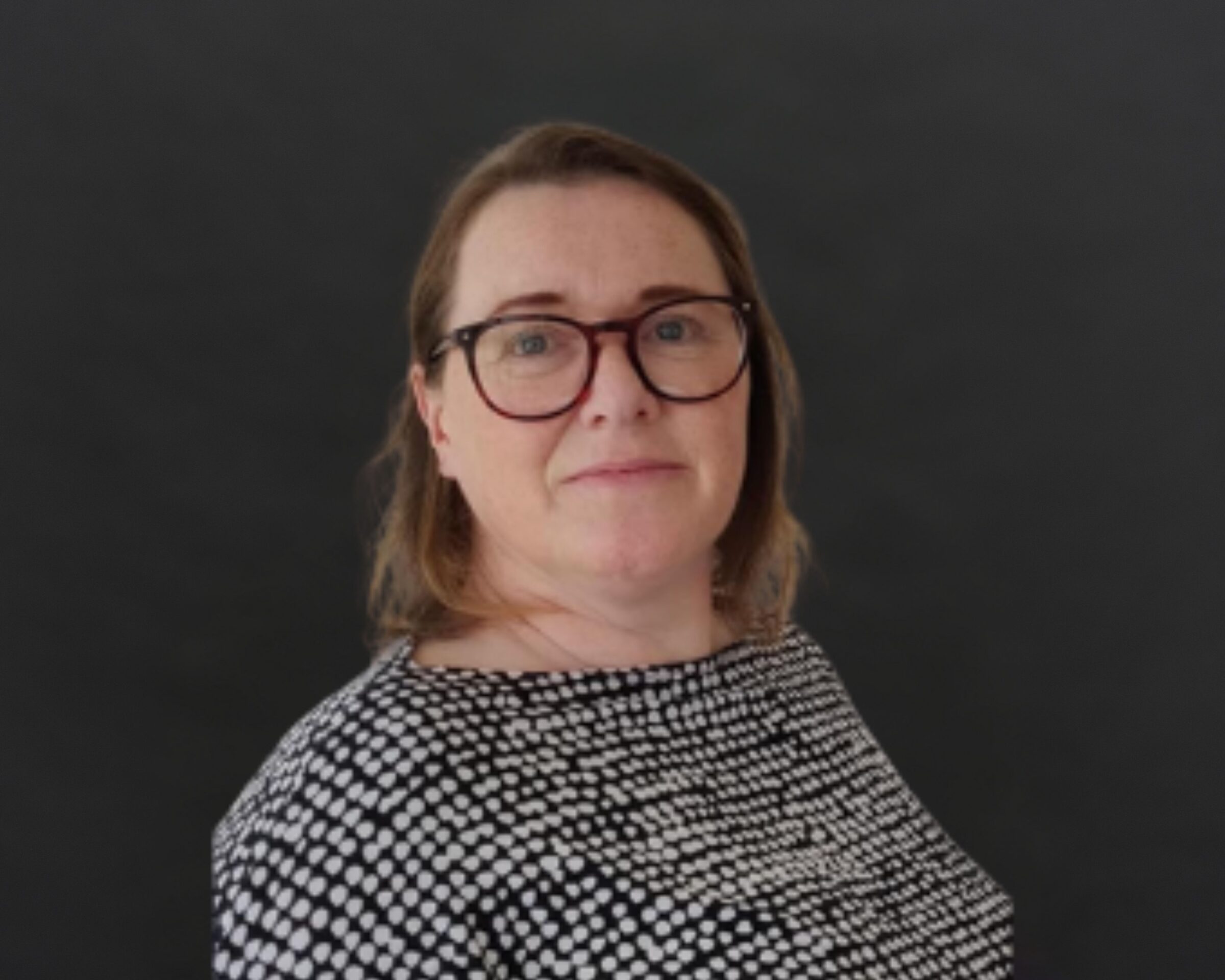

The Secret to Staff Retention
After years managing businesses for others who didn’t value employees, Diane Kelly started LL Solutions with a simple plan. To test if a company built entirely on kindness could work.
Six months later she was inundated. Five years later, she had over 40 staff. Her crew came mainly from self-employed backgrounds, who valued security without micromanagement, Diane’s exceptionally high retention rate and zero cold-calling.
Today, as Ireland’s only fully female-led property maintenance company of this scale Diane shares her story.
THINGS WE SPOKE ABOUT
- Nobody here is a number: knowing staff stories enables understanding bad days
- Non-credit company paying as you go eliminates surprise bills devastating cash flow
- Seventy percent crew came from self-employed backgrounds valuing security without micromanagement
- Recruitment changed: no interviews, just coffee conversations, mostly recommendations from current staff
- Home to Hope documentary fixing five severely sad homes before Christmas nationwide
GUEST DETAILS
Diane Kelly is co-founder of LL Solutions, Ireland’s only fully female-led property maintenance and refurbishment company operating at their scale. Diane leads with fairness and hands-on involvement, giving full trust from day one.
https://www.linkedin.com/in/diane-kelly-0bb56921
PODCAST TRANSCRIPTION
Diane Kelly 0:00: We try to hold value in every person that we deal with every day. So from a staff perspective, for us, kindness is knowing all of their stories so that when one of them has a bad day, we may understand why nobody here is a number.
0:19: No unicorns, no brands, just hard working people who built their business from the ground up, sharing their experience so others can learn. Presented by Larissa Feeney from Kinore. This is Real Business Conversations.
Larissa Feeney 0:39: Hello. My name is Laura Feeney I am CEO and founder at Kinore Finance and Business Services. Today we’re meeting an entrepreneur who is bridging the gap between projects and landlords. Having spent over 25 years working in the property industry, she went out on her own to start a company with her husband in the unique times of 2020 we hear how they manage their growth from small family business to leading experts in Ireland within 12 months. It’s a pleasure to welcome property expert and co founder of LL Solutions. Diane Kelly.
Diane Kelly 1:12: Hi, Larissa, thanks a million. Great to be here.
Larissa Feeney 1:17: Okay, Diane, so maybe let’s start by telling me how he started in property management.
Diane Kelly 1:25: We do property maintenance as such now, and refurbs so the management we leave to the block managers and all that side of it. Okay, okay. But from that point of view, I originated way back in my early 20s.
I worked as a auctioneer for a number of years, and I didn’t particularly like it, but I loved new developments, and I love snagging houses and doing show houses and all that side of it. And then as the years went on, I kind of, I suppose, kept involved with different property developments as they came along through the years and ended up in property maintenance and refurbs.
Then about 15 years ago, I guess I found my niche there. I loved it. Loved dealing with property managers and tenants and, you know, finding different things that we could do. And that’s where I started at it originally.
Larissa Feeney 2:15: So you started in auctioneering. Was that, right? So were you working for an auctioneer? Was it? And then I was okay when you didn’t like that. Yeah, yeah, I hated auctioneer and was it the selling aspect I am that you didn’t like? Or?
Diane Kelly 2:27: For me, auctioneering a lot of the time is about sales, obviously, hugely into sales. And, I mean, I’m well able to talk, I can’t say that was an issue for me, but there was times when you needed things were a little bit different back then as well.
I think for me it was just, at times, it was kind of a false economy. We were pushing and pushing and pushing for offers and things on houses and trying to do the very best you could for clients. But the reality for me at times was, you know, sometimes, I mean, I would look at a house and I would just think, okay, that’s that’s where it should be.
That’s the price it should be. And at that time, it could go up, my God, that could offers could come up of 25, or 30,000 and you would literally be there was time, especially for young couples, that I would be standing opposite young couples, and obviously, in the back of my mind I’m going, stop, stop, stop. This is, this is obviously back in the boom, was it? Yeah, just before the recession hit, okay, yeah, just before the recession hit. And I found sometimes it was just hard to sleep at night. So that just wasn’t for me, wasn’t something I wanted to do.
Larissa Feeney 3:31: Wasn’t aligning with your own personal values.
Diane Kelly 3:34: Correct, okay, but I did love property. I loved property, and I loved, you know, I particularly love new developments. I love going in, snagging units and, you know, checking what builders done, and working with them, and all that side of it.
I did love that. I loved all the information you get and all the different layouts of houses and the core values behind them, I suppose, are the different ways they were done, good developments, bad developments. But I loved that side of it. So I was very lucky as the years went on to find, you know what I currently do, which puts it all together.
Larissa Feeney 4:07: You moved from the auctioneer business or selling houses into property maintenance, and then how, Oh, you didn’t, okay.
Diane Kelly 4:15: No, the recession hit. I had loads of different various jobs. Then for a number of years after the recession hit, because everybody that was involved in the property sector, as everybody knows, was pretty much made redundant. Overnight, I done a number of things for a number of years, and then I went into property maintenance and refurbs.
Larissa Feeney 4:34: So then Diane, what made you decide to set up LL Solutions?
Diane Kelly 4:40: When covid hit, I suppose we all were spending a little bit more time at home. And now I worked all through covid, but at that time, Stuart, my husband and myself, I guess, had to sit down and had to think about what we had done throughout our lives, and there was a lot of frustration throughout the years working for companies.
Is that just didn’t value either us, our co workers. I guess, from my perspective, I’ve always been a leader, a manager or a director with pretty much every company I’ve ever worked with, since I was 80. And so for me, I always tend to lead teams, and we kind of had to sit back and reassess our own lives and our own happiness.
And my thought process was always that I wonder what you would get out of people if you showed complete kindness and it wasn’t looked upon as a weakness, and where I suppose, if you treated people fairly, would you get more out of them, because the reality for a huge amount of people working and particularly within this industry, it’s hugely male dominated, both from a managerial point of view and from engineers on the road and a lot of the time, there’s little value shown in either of either side of the coin, and from an employer point of view, I can’t say all.
I’ve had some great employers through the years, but I’ve also had some employers that were extremely poor and that had no value in me or no value in any of my co workers. And that for me was something that I suppose, embedded in my brain early on, and I always wondered what would happen if the foundation of a company was built with one ethos, which was kindness, and we have proved that it’s a winner.
Larissa Feeney 6:33: So maybe let’s talk about that for a moment. So did the two of you sit down over the months or weeks of covid, the initial weeks of covid, and find yourselves having a conversation about the life that you had lived so far, how you had worked, where you had worked, your own values, what you stand for, personally and as a couple, in a family, and did you come to the conclusion that you you could do it a better way, that you could make a living, a better way for yourselves straight away.
Did you know that you’d be employing people down or did that? Did it start with you guys first?
Diane Kelly 7:10: It started purely with us. And it wasn’t overnight. It was in my head for a number of years. I couldn’t shake it off, and I had originally went to my husband probably the year before, and he was more I suppose that’s why we work so well together.
He was extremely hesitant, and he was concerned, because obviously, you know, we have a mortgage to pay. And at that time, we had 2 16 to 17 year olds, or 15, 16 maybe they were both kind of finishing up secondary school and heading for college and those kind of things. So those are all weighing on your mind as well.
He was more hesitant. I am not. I’m someone that makes a decision, and I go and I worry about the consequences afterwards, and I’ve always been that way, and I’m lucky, my gut instinct has 99% of the time being right. But the original plan was that it could be something for both of us, and that it could be something for our children that were coming up along for the summer that you know, that side of it, the plan was never, five years later to have a staff of over 40. Wow.
Larissa Feeney 8:14: So there was never a strategic business plan. No, okay, okay, okay. No, okay. Fascinating. So you started, it was it during covid itself that you that you actually started, it was, and then, yeah, it was. So you actually started the business during covid. Is that right?
Diane Kelly 8:31: Yes, we started the business in August of that year. So covid had hit. We’d got through it. Everything opened up, and then you may recall, everything closed down again. So we started the business when everything closed down the second time.
Larissa Feeney 8:44: Okay? And then you’ve seen huge growth in the first 12 months alone. Never mind the the subsequent four years. Did that surprise you? Because you started to grow rapidly.
Diane Kelly 8:56: I think at the back of my mind the hope was always there. I think sometimes it’s we’re slow to say it or give ourselves a bit of a pat on the back. But I’ve worked endlessly since I was 16 years of age.
I’ve always tried to be as honest and open as I can any work I’ve done, I’ve always tried to be as loyal. And, you know, I’m that kind of a person, and the name that I had within the industry was extremely strong, and something that started so small, within six months, we were absolutely inundated with calls.
We have never we’ve never gone to the market or contacted for the first four years. To be fair, it’s only this year, really, we approached two clients. But previous to that, we actually have never gone to the market looking for clients. They have all come to us. And the amount that came to us early was absolutely mind boggling.
And some came and it was like, I’m sorry I can’t do works for you, because. We’re still growing. But the huge advantage on that was I once we were more established, and I knew that, I knew that we were onto something really special here, and people wanted to work with us. We had clients literally, you know, saying, Come on.
We want you guys in our houses. I knew then that we were able to grow so as soon as we were ready, as each client came along, big and small, we were able to then, you know, a year later, you know, a year after the company was established, I was able to ring, you know, a very big client in Ireland and say, I’m ready.
And then we also had the other side of it, which was like, we also had to remember the reality of Ireland, which are the things people don’t think about is, obviously the housing buddies in Ireland, you know, they’re a huge part of our business now, but for the first two years, we couldn’t go looking for work off them, because obviously, as a new business, our CT is not at 0% which people don’t think of when they’re starting these businesses.
Not that I ever dreamt we would have that, as in that we would have some, you know, housing managers and housing associations wanting to work with us. So that was another angle. Actually, I remember when we did, after a year, sit down and do a kind of more of a business plan that we probably should have done the year before.
And I remember at that meeting, someone saying, you know, why are we not targeting the housing bodies at that time? Because we had loads of other clients coming to us, and I said, we can’t. And this is something that people don’t think of, is it take, we had to wait two years, obviously, to get 0% RCT. So that’s something small, but big at the same time.
Larissa Feeney 11:32: But it is big, and it’s a really good point you make, because you were excluded from that market, which is a very well a big market, first of all, in this country, a very stable market, yes, and you could provide an excellent service, and probably one of the best, if not the best, in the market, providing that service, and yet you were excluded from it, purely from like a for cash flow purposes, because if you were receiving 0% RCT, you could be competitive, but if you weren’t receiving it, then you were automatically down in terms of cash flow. That would limit growth in other ways.
So, yeah, so that’s really interesting angle.
Diane Kelly 12:07: On the positive, on that though, the reality for us was, in one way, it was, it was good, because when we did start moving in that direction, we were ready, yeah, after two years, you felt that you weren’t fresh enough. You had the structures in place. We had all the structures in place. So, just, just so I’m clear then.
Larissa Feeney 12:18: So the company performs property maintenance, essentially for landlords, whether they be housing bodies, government owned properties or private landlords, I’m guessing, probably not a one to one model Diane, it’s, yeah, they’re usually landlords that own multiple properties.
Am I right, correct? Okay, yeah, okay, I’m going to bring you back to something you said at the start. You talked about kindness and been a core value, or the core value of ll solutions. I know you have a team of 40 now, or they’re there about is that right? Yeah, little above it, yeah. Is that still central to how you do business? 100% Yeah. And how does that play out in reality? Diane, what does that look like? You know, for your team, for your customers.
Diane Kelly 13:07: I think for us, we try to hold value in every person that we deal with every day. So from a staff perspective, for us, kindness is knowing all of their stories so that when one of them has a bad day, we may understand why nobody here is a number.
We speak to every single member of our team every single week. We various things happen every day that keep us all on par. So, for example, you know, we have a full Whatsapp group. We call it the craic page. And on that page every day, we send motivation, or we’ll pick someone out that’s doing a great job.
But what we’re doing by all of those things that we do, is we celebrate someone every day within that realm, knowing that we’re a company based on kindness and understanding and that we are also keeping those crews focused that they don’t. Because, you know, I have, we have guys in Kerry, and they may not see another staff member for two to three weeks at a time, because they work solo.
By doing it this way, we’re keeping everybody in tune with each other all of the time. I don’t particularly like when everyone says, Oh, we’re all a big family. I you know, we’re not. They all have the hard families, but it’s that we just keep these people where they’re very much involved in the company, and anything that happens here, we talk to them about it, and then that kindness transcends over when they go into every house, our complaint level would be, I mean, it’s, it’s non existent.
It’s not something I ever have to deal with, because we don’t get them. The bulk of our crew, which is a huge, huge thing for us, and it’s happened by accident. I wish I could say that I planned it all out, but I didn’t. About 70% of our crew on the road have all come from self employed backgrounds. So what that means is that means these people know what they’re doing, and.
And we offer them a space where we provide security for them. They don’t have the headache that you have involved for self employed, we pay them well. We treat them like grown adults. We don’t ring them every five minutes ask them where they are or why have they pulled in here for 10 minutes, we let them do their jobs, and it’s working brilliantly for us.
And we are automatically kind people, and that just automatically goes to everybody. So our crew are like that when they’re speaking with tenants. That’s the same respect is offered when we speak with housing managers, clients, everybody is spoken to with as much respect as we can offer and kindness, and it works.
Larissa Feeney 15:46: And Diane, how do you recruit for kindness? What do you look for?
Diane Kelly 15:51: The recruitment process for us has changed over the years. So even now, when we put up some job adverts, obviously, like everyone else. I mean, a lot of our stuff, we put it up, and we use humor, and we use laughter and kindness, and we always ask for these things.
We don’t just, you know, put up. We’re looking for a painter. We make it funny, and we put our humor and kindness across from day one, honesty is important to us. From a recruitment perspective. We don’t do interviews. We sit down and we have a conversation with people over a coffee.
The bulk of, definitely, the last two years, of the crews that have come into us and have stayed with us have all been recommendations from other people with us. You know, so mean, we had two guys in yesterday. Now, you know, those jobs were never even advertised because they would be friends with other people that work for us, and our reputation is high within our own crews. So people want to work for us.
Larissa Feeney 16:47: And you don’t seem to have any major challenges recruiting from what you’re saying.
Diane Kelly 16:52: Well, it’s as we grow. So we’re going through a growth spurt again now going into next year. So we’re getting ready now for 2026 we have a very, very high retention of staff, and we’ve had that from day one.
But as we’ve got better and everyone else has got better around us, that security aspect is huge for us. So we recruit when we’re growing, not necessarily to replace people, because, like I said, people very rarely leave us, so we’re really lucky.
Larissa Feeney 17:17: And that speaks a lot you know about your culture and your leadership style, I would suggest as well. Diane, how would you describe your leadership style?
Diane Kelly 17:26: Stuart and myself would be very hands on. We know what it’s like working on the road. I mean, for the first two years of this company. I mean, you know, we done huge amount of work ourselves on the road.
Stuart’s on the road permanently, and I’m in the office now, I won’t say permanently, but I’m here a lot, and I run from here. The leadership style we try to run with all the time is fairness. Our standards are high. The lads know the way we need it done. The girls in the office know the way I like things done, and we keep it like that.
But I think for us, we are extremely fair, and we’re so hands on that we’re really involved in everything. We lead from the top down to that degree. When someone starts with us, we give them full trust. And I’ve set in meetings with people, and they’ve nearly frowned at me when I’ve said this, I say, you know, the environment and culture we give is when we take you on, you are one of us, and we have your back, and you have ours, and we give you full trust, and if you break that trust, you are gone.
But the trust is held, and it works fabulously. Instead of having, you know, fully grown men who are in a trade for 25 years watching their phone every 15 minutes because they pulled in for a cup of coffee, and someone’s wondering why. So that’s how we run it.
Larissa Feeney 18:46: You and I have very similar values. My LinkedIn course this morning was actually about fairness, so I would agree with you on that, but I have a question. Back to kindness for a second. What’s the difference between nice and been kind?
Diane Kelly 18:57: I think, for us, and it’s something we say at every meeting, we say exactly that, which is at the end of every single health and safety meeting. We do, obviously, these a number of times a year, is I stand up in front of everyone at the very end, and I always say there is one lesson that everyone sitting in the room always needs to be aware, which is that, you know, don’t confuse our kindness for stupidity, or don’t confuse it for weakness.
I have absolutely no issue making harsh decisions when I have to make them. The kindness side of it, if people always try to do the right thing, we will always, always reward it and be kind back and be understanding if somebody goes out of their way to not do that, or their values change, or, you know, works inconsistent, or somebody just messes around. Then, you know, we don’t suffer fools. We will let them go.
Larissa Feeney 19:54: So for us, that is the difference from what you’ve said so far. Diane, you started off very strongly. You had no problem getting customers. Which is amazing. There was no marketing. It was all word of mouth. Like, I don’t know how many businesses start as strongly as you guys started.
Okay, you just took off like a rocket. You had no problems getting staff. You still have no problems getting staff, which, again, is unusual in today’s market, in a market of full employment, but especially in an industry like yours where you’re heavily people based, you’re also heavily trades based, okay?
And I mean, like, I can’t get a plumber, most people can’t get a plumber. And yet, you have no problem employing great guys, right? And girls, I’m sure, okay, but I know that there’s no way it was plain sailing, and those early months and years, so talk to us about some of the challenges that you encountered along the way.
Diane Kelly 20:48: There was a lot of challenges, I guess. I mean the first year, her major challenges were We were expending exceptionally fast, too fast for what we could afford financially. And, you know, we often, I suppose, short and myself, have so many stories from that first year. We still talk about the variations.
And I think the first year we worked seven days a week, a minimum of 12 hours a day for 52 weeks. And wow. So that was challenging in itself. And we were, we were moving as fast as we can, and we were trying to grow. And we, I, one of my major issues with, you know, in the past that I saw was, you know, with, with regard to these companies, was where, you know, you work really hard for a month, and then you look at your, you know, your profit and loss, your balance sheet, and at the end of it, you realize that you owe, you know, 50,000 out on suppliers that only sent their bills in.
So we started early on, and I know savanka, you’re one of your accountants that does a fabulous job for us. I remember when I spoke with her about this, I remember her kind of going, God, I don’t know if you can do that. Which was, we wanted to run a non credit company. Credit company, so in our first year, regardless of what happened to us, I would never Delve from that. So I’ll give you an example, even, of what we’ve done on some of those things. Was, you know, on our one of our first, maybe our first or second, fit out that we did.
We literally had no money. We had spent everything we had. And I went home and gathered two new pairs of curtains from my sitting room and one of the bedrooms at home to finish off a fit out to save us money. So challenges went from that which were okay, you know, we need two new pairs of curtains, which we thought was our biggest challenge that year ended up as time went on.
I think when we went into year two, then we all the different challenges that come along are, you know, we were started buying vents, and, you know, we felt the right thing at that time was we buy vans that are four or five years old, and they’re ours, and we own them, and off we go.
And that was a great idea, until we went into year three, and then these vans hit 100,000 miles on them on a year and they all started breaking down. So we had to come up with another plan. So all these different obstacles come up in front of us as we’re moving along. I mean, for the first year as well, and year and a half, I mean, I had there was, there was awful backlash from, I suppose, I’m not going to say the whole industry, but there was an awful lot of backlash from particular people and particular companies coming after us and coming at us.
And, you know, it seemed to be all based around me. And you know, there was an awful lot of different things said. There was, you know, some letters exchanged. There was different things going on. And it was very upsetting at the time when all we wanted to do was we just wanted to do a day’s work. That’s all we ever wanted to do.
Larissa Feeney 23:40: So I’ll touch on that for a second. Then I’ll go back then to cash flow, because I know that listeners who are in this position that you were in at that time would be interested in hearing about that.
But in terms of that hard time that you went through, and you know what you’re talking about around the industry, backlash, why was that just competitors who Yeah, I think in some ways, it obviously was, I mean, there was, you know, within this industry, everybody thinks their own industry is the most important.
Diane Kelly 24:00: I don’t think our industry is important. I think it’s the most important to us, but it’s not necessarily the most important to everyone else. We, as business owners and as two people that have worked their entire life, wanted to do was ever so slightly different.
And I’m not necessarily talking about the work. The work is the work. I mean, you know. But for me, the difference between sending, you know, a qualified roofer out to look at a roof and a handyman to stand on a leather and look up that, you know, that’s the difference between companies.
And it’s, it’s not that the other other companies are wrong. It’s like, there’s low there. You know, there’s a number of really good companies in the country, and we just try to always do it right. But for some reason that became contentious, because we were just doing our jobs like we grew the company in the first year and a half without, without the first two years, without a single sign vent.
We. We deliberately. We grew. We grew slowly because we were nearly afraid of the lash back we were getting at times like I was having, you know, people call me and tell me different things that were being said about me, and you know that we had no idea what we were doing. And, I mean, it was, it was just ridiculous. And like, at that time, all we wanted to do was make a wage for ourselves. That was it.
Larissa Feeney 25:24: So these were competitors who were trying to undermine you, trying to, you know, yeah, trying to, I suppose, not necessarily make you go out of business, but certainly stop you in your tracks, yeah, yeah. Maybe felt that you were getting too big for your boots down and they were felt it. They felt a bit threatened. Maybe, you know.
Diane Kelly 25:43: Yeah, yeah.
Larissa Feeney 25:45: But so how did you handle it? What did you do? We just got bigger faster, yeah, just put your head down and keep on going.
Diane Kelly 25:51: You know every time that something happened or something was said, I’m not going to lie, we added another, another Delve to our company on something that we hadn’t planned on doing. I don’t take that stuff well.
I mean, I’m a worker by nature. It’s the way I am. I have always been built like that. Our goal was just to provide the best company we could. The fact that this company is female led, obviously, is that’s not in the country at the moment.
No, I have. I mean, there’s loads of women leading companies. So I’m not saying it like that, but because these companies are primarily male, led me, being a woman, being successful within it is seem to be problematic for a number of people. But then from our starting point as a company, I mean, I have to say it because, I mean, I’m not going to push it all out there that, you know, it’s about men or anything.
I mean, in our first year, particularly, I mean, there was, you know, two men within the country who own our big business owners who, and I would classify as good friends, very good friends of mine now. I mean, both of those step forward from nowhere at the time and were so supportive and kind with advice and really motivational towards us and helped us out on jobs that would be Sean Cahill and Robert Cummins from RCPS.
And I mean, Robert Cummins has a property maintenance services company in Dublin, and you know, he would be huge within his own industry. And then us showing up, I suppose, and I would never classify us as competitors to any company in the country. There is more than enough work for everyone. And I think Robert Cummins and myself particularly are a real strong example of that.
I mean, we’re both owners of, you know, companies that do the same thing, and we’re friends. We’re good friends, collaboration. And I think when you have that respect and honesty within the country, and as I said, even you know, the advice that you know those two men, Sean and Robert, are in their industries for years, and their advice and support in our early days was literally life changing for me, because, you know, I mean, I remember Sean particularly, one, particularly in our first year, and he just happened to ring me about something, and he said, You don’t sound great.
And I, you know, I told him a story of something happened that week. And I just remember his support to me as a business person, saying, Come on, yeah, you know, I’ve said to him afterwards, you know, you should probably have your own something there to help people get off the ground, company wise. So I think it’s important that I recognize there was lots of support as well. Yeah, but we believe the negative before we take on the support.
Larissa Feeney 28:31: I think the negativity and I think, you know, we’ve all felt it in various different ways, that negativity can drive you on. You know, you have a mission, you have a job to do. You’ve got a family to support, or a team to support, or a company to grow, whatever it is.
And if you truly believe that you’re doing and you are doing business the right way, and you’re making a difference to your customers and to your team, you just drive on, don’t you, and you just get it done. But it’s really difficult to do that. I mean, you know the negativity is always going to be there. You know it is always going to be there.
That’s a fact of life, I suppose, to various different degrees, though. You degrees, though, you know, but it’s very difficult to do that without support. So you’ve mentioned some of the support you’ve got from colleagues within the industry, which is really important. And I’ve seen that myself in my own business, super support for and this, this business, like your business, is extraordinarily male dominated, and always has been.
And like you, I’ve seen massive support for this business and the way we do business and the values that we stand for. And it’s not possible, I don’t think. Or it’s a lot harder, okay, it’s probably possible, but it’s a lot harder to continue to grow strongly without that support. But would you have got, or do you have any other support, Diane in particular, you know you’ve mentioned yourself in short, you’ve mentioned your team and the two major supporters within the industry.
Do you guys? Because you know trans transitioning, as you did, from been an employee for so many years in in various different industries and amassing all that experience to starting a business. And running your own business, that’s a massive change. Doing a job and running a business is very, very different, especially growing a business and running it successfully and transition it to where you are today. Never mind where you’re going to go.
Do you have, do you get any other support, like in the form of mentoring or coaching or peer to peer groups? Do you do any of that?
Diane Kelly 30:19: No, I don’t, but I come from West Clare, and I come from a farm and background, and I’m surrounded by, I suppose, a family of legends, and I can assure you, we don’t need any business coaching in our house.
I four siblings, two older brothers, an older sister and a younger sister. So my three older siblings are all self employed for many, many years. Okay, so that’s great, massive. And my younger sister now even is doing some she’s starting her own business as well this year. So that’ll be a full lot then that there’ll be 100% of us working for ourselves.
So we often have a bit of a slag at home on that, which is, you know, I think I always put it down to we are just can’t be told what to do. Other people say it’s amazing to have a family like this that all employ and and the funny thing is, our ethos, all of us, my brother, even now, would employ quite a number of staff.
My older sister would as well. And it’s like everybody runs off the same ethos, which is that kind of streak we all run, run things the same way. So I think for me, they, you know, watching them through the years has been, has been huge for me. And I can assure you, if I make a mistake, they will be very, very quick to tell me.
Larissa Feeney 31:30: Do they act like, almost like an informal board of advisors, in a way? Or, you know, Do you can you reach out to them if there’s a challenge that you’ve come across? Do you seek their advice?
Diane Kelly 31:39: I suppose we’d always have chats when we meet up and things like that about business. So that’s, that’s good. I think for them, if I ever needed them 100% I would ring them. I think in five years I’ve had to, yeah, I’ve ranked them once. I rang them once, yeah.
Larissa Feeney 31:54: I think it’s really important to have them there, like at the end of the phone, you know, absolutely, absolutely. Okay. So back to the cash flow. Then right or not cash flow, I suppose you know numbers in general, or the accounts in general.
So I mean, the LL Solutions is a client of Kinore’s, as you said, and you work with savette, or one of our, one of our managers, who is, who is amazing, yep. Did you find that the numbers as a side to any other area in the business was where you were weakest, or is that the way you would describe it?
Diane Kelly 32:23: iMy own ability? Yeah, yeah. Is that, yeah. So from day one, Savanka was actually that’s why I will never forget her name, because I needed to make sure I pronounced right from day one, because I knew we’d be, we’d be in we’d be in touch for years.
Savanka was actually the very first person that I talked to about starting the business. And it was during covid, and my we had a very small budget to start this company. I mean, this was, you know, I mean, if I had to go back now and do it, I don’t know if I would, but at the time, I felt we could do it.
And I called her, and I remember saying to her, because signing up with yourselves at the time, I think it was accountants online at the time, was costing, I think it was taken maybe 30% of the budget that we had between the setup and everything like that, which was still great value. It’s just our budget was really low.
Larissa Feeney 33:12: But it’s a big chunk, isn’t it? Diane, it’s a big 100% Yeah.
Diane Kelly 33:15: But for me, it was non negotiable. I can, I can pretty much turn my hand to anything. I can run companies. I can type at a million miles an hour. I can paint. I can fix locks. I can fix windows. I can do I can put my hand to anything, if someone shows me once, but I am extremely poor at accounts.
And what I mean by that is I understand it, but, but I just don’t get it. So for me, the VAT numbers, the revenue, the getting it all signed up with CRO, all of that stuff was something that I felt was beyond my remit. And that was why calling yourselves at that time was the very first call we made, and that was the very first thing that I did.
And I recall even afterwards, as I you know, obviously Margaret came in to me. Margaret joined us. Maybe, I don’t know, maybe we were a year in. I think somewhere around that, she was one of our first actual staff. And Margaret came in and her, like, as our first staff member, I this was still me thinking, was she was running accounts with, with savanka, obviously, at that, you know, savanka looked after all the other stuff, and then the regular day to day.
So that for me, we I, that was my next step. Was I took a full time accounts person in before I took an engineer on the road on because the work we could do, but the paperwork side for us, from an account perspective, was my weakest. So I knew I could do everything else, so I had to put as high a value on that as I could, which is what we did as you know, and it’s followed suit the whole way through.
And. And now, I mean our accounts team and yourselves are like, you know, the dream team, and we have every single thing the way it’s supposed to be, and it’s not something I have to worry about, and I’m still no better at accounts now than I was five and a half years ago.
Larissa Feeney 35:15: So I think that’s really impressive, right? Not only obviously that, you know, we were lucky that you picked us. But I think the fact that, as a business owner, you are able to be that self aware, to understand that, okay, this is an area that I’m not good at.
I can delegate it. There’s a cost to that, but I’m happy to invest in that, because it means that, you know, I’ve got peace of mind, and I know it’s done, right? You’d be really surprised how many business owners don’t do that. You know, for one reason or another.
Actually, some business owners view it as a sign of weakness, if they tell people they don’t understand their numbers, but you’ve just demonstrated that it’s not a sign of weakness. It’s actually a sign of strength, because you can focus on the areas that you’re strong in and let us take care of those staff.
Diane Kelly 36:01: But even what Savanka brought to the table, I mean, you know, and I think obviously, the first conversation was I knew, I mean, you know, I’ve good insight into people. And she was, she was absolutely fabulous. And I knew, when I spoke with her, I knew she probably thought, I’m never, I’m never going to hear from her again.
I think, you know, it was the middle of covid, it was, calling out figures that I thought would be there. And I think she went, Yeah, and I rang her the following day and said, Can you send me on the link, Sign me up? And she said, Sure. I said, Yeah, I am. Let’s Let’s go. Let’s go. And for me, though that was massive because it you like and it’s not because it’s your company.
I mean, it’s, it’s massive to me, because it is your company, but for us, I mean, you literally took over all of that so that I could concentrate on what I am really good at. And it’s really like, you know, there was no point in me coming back eight months later. And we see this mistake.
I mean, I know so many people that have done this when they don’t, you know, they haven’t registered for VAT soon enough, and then they realize after 12 months that they’ve gone over the VAT threshold and it’s all a mess, and all these kind of things. So we had none of that. And obviously, you know all the different, the different things that are available for new companies, we would never have had any idea of all any of those, only for savanka.
So you know what we paid for at the time that we thought was eating up 1/3 of our budget that I was still happy to do. I mean, it’s probably worth 100,000 to us now, five years later on, all the savings that have been that’s amazing. It’s that kind of money.
Larissa Feeney 37:32: It’s Big money. Yeah, that’s amazing. And I suppose the lesson for all of us is freeing yourself up from those areas of the business, whatever they might be. So for me back and you know, years ago, whenever I started what was accountant online, for me was marketing, that whole area I did not understand.
I didn’t like it. I wasn’t good at it. I actually shied away from it. And so I did exactly what you did. I invested a lot of money in marketing, yes, and handed over to people who know a lot more than I do about that area, and I trusted them. Because to me, you know, we spoke about trust already, but to me, you you have to, because I didn’t know anything about it.
So who was I to make a judgment on? You know, anything in that area. So you have to, there’s an element of trust until you see the results. There’s definitely an element of investment and recognizing that there’s no way you can do it all. Yes, can do some things really well, but you can’t do everything well. It’s just not possible.
And you have to bring in the experts. That’s, you know, that’s the long and short of it. Diane, I know that the business that you’ve built is amazing. You’ve grown so much rapid growth, and you’ve managed that rapid growth really well. I know there’s challenges, right? You actually touched on something earlier on.
I was going to move on, but you’re touching something earlier on that I want to go back to you said, I think you said that you wanted to run a non credit company. Is that? Right? Yes, yeah. Can you tell me about that? What does that mean to you?
Diane Kelly 39:00: What it means to us is that we never want to see something in front of us that we weren’t aware of. So what that means for us is, obviously, as a company now, where we are now is we do use some subcontractors.
We have probably a team of maybe 12, all who’ve we’ve worked for for years, and, you know, very honest and nice guys and people that we have all know now on a personal level, but outside of that, most work would be done by ourselves. But obviously there’s materials, parts and subcontractors.
So I suppose for me, it was something in my head through the years, which was when you get to the end of the month and you think, oh gosh, that’s mighty. There we are. And then you have, you know, a large bill come in from a supplier of 28,000 that you didn’t know was there, because, you know, someone hasn’t dropped in their dockets.
So we only hold cash accounts, so everybody pays for everything as they go along. If there’s any large stocks to be ordered, we ordered it from here. It’s kept in our warehouse, and then it’s delivered out. It. And the reason we do it that way, and it was, it’s tight. It was tight for the first few years, particularly was the way we do that is everyone has an expense card, and every time someone spends it comes up on our we have an app.
Obviously, we use Pleo. I don’t know, will they give me anything for that? But they, they’re very good, to be honest with them, but it’s really so every time somebody makes a spend, we get a notification on the phone. Their receipt is uploaded, and it’s as basic as being everything is literally a touch away.
So I can literally sit down at five o’clock in the evening, and I can run through my phone for 20 minutes, and I can see exactly what we’ve bought and paid for that day, and I can allocate it off jobs immediately. And it’s just something that we know every single week, that we’re ahead, that we have no bills that we don’t know about.
And for me, because maybe, I guess, it’s just something in my head from, I mean, listen, it’s not because I’m from the country or anything. But, I mean, you know, we all know that old country style of you need to pay as you go. And that’s something that was tough for the first couple of years. But now in year five, it’s amazing. It’s amazing.
Larissa Feeney 41:17: Does it apply to customers as well? Do they pay? They don’t pay as they know, as the going do they but you must be very strict from in terms of the amount of credit you give?
Diane Kelly 41:26: Correct, I guess. Look at the clients that we have, and we count ourselves awfully lucky to have them, but the clients we have have chosen us, and we have chosen them, and it’s the same as our I guess our crews on the road, all the people that work for us, we give that full trust. If we are working for a client, it’s because we want to work for them, and we trust the process on it.
And I mean, we’re not gullible. I mean, we don’t just randomly take every client that knocks on our door. That doesn’t happen, but everybody that we have is on a particular payment plan, and that’s the reality of it. And we’re very lucky, everybody we work with pays us.
Larissa Feeney 42:09: I think, okay, I do think there’s, . I definitely think that you have designed this, and you know, you work with people whose values align with yours. You work with people that you want to work with, and I think you’ve managed that really well.
Like, there’s so many things about this business that I love. Rapid Growth is so hard. Businesses like yours don’t get the recognition that other businesses get because you’re in a traditional sector. You’re, you know, employing trade, and it’s you just, you just don’t get that recognition.
For, for some reason, a lot of businesses in traditional sectors, don’t? You know, there’s this great retailers, for example, and hospitality owners out there that are the same your business, like, over five years, you have grown an incredibly amount. You employ a great team, have got a great customers, and you know, there’s that’s all down to you and Stuart and your values and how you do business, and that’s recognized by the team to stay with you, sure that’s expressed by both the team and your customers.
Finally, Diane, I know after all that, after five years of growth that I know you haven’t finished yet, but you are embarking on a project where you’re giving back, maybe you can tell us a little bit about that.
Diane Kelly 43:16: So each year since we started the company, these are random things, but these just show, I suppose, our kindness throughout things. And maybe we were slower over the years to put things out there. We’re not now.
We’re more obvious, and we’re talking about things. So over the last five years, every year, since the we started the company, we picked one project each year, and that would just be a random project. I would do all the specialist cleaning with our team and all these different things. And we see some awfully sad, vulnerable cases out there which ring true with me, and some I won’t ever forget.
So each year, we pick one unit, over the last five years, and we would just go in and we would no fuss. There’ll be no invoice, there’s no charge, and we fix it. I mean, last year’s was an elderly gentleman, and I won’t go into the personal information on it, because this is, you know, it’s a vulnerable case. We fixed his little cottage. We gave him fluorine. He had no heat.
We sorted that, we painted it, we cleared it, you know, we gave him new furniture. And we’ve done that in five houses over the last five years. Nobody knows about it. It’s something we give back, something nice and quiet, and we work with, you know, other organizations that that need our help, I suppose, and we let them choose someone as well. And it’s something that we’ve always done.
So earlier this year, we thought about this concept as a whole, and we’re doing it anyway. We just don’t take any recognition for it as in, and we don’t want to. We don’t want recognition for it. It was something we done as a company for a matter of kindness, but we decided this year to start something, and it’s called home to hope. So home to hope.
What this project is is that we. We put it out to the market to see, I guess, on a national stage, who needs help. And we decided that we’re actually going to do a documentary series on these and record them to show various things. Firstly, it is giving back and some of the cases that we’ve visited over the last two months are horrendous, and they’re terrible situations and people living in appalling conditions.
And we’ve chosen two of these at the moment, we’ll be starting fill them in this now next month, and we have five days to go in and out, and we are going to give them the reality is we’re trying to fix their homes and give them hope back into their lives, and they’re very sad stories and they’re terrible situations, and it’s going to be an amazing transformation.
Their stories are unbelievably sad for various reasons, and for us as a team, it’s really cementing us in that everybody wants to be involved. I mean, you know, people that I thought will never go on camera for this are standing there going, I’m in, I’m in. So we’re going to have, yeah, 3040, people moving into these units for five days, and we are going to do full transformations, but we’re going to record it.
We have a full camera crew in place, or productions are doing it beside us. We have a bit of interest already from the market on it, but we’re holding it. We’re going to hold it for ourselves. And yeah, Ill solutions are going to do two of these before Christmas. And we do think it’s going to be amazing. It’s going to be amazing TV from our side, and we, you know, even our guys, some of our guys are so amazing.
Their stories are amazing. Everybody forgets that. Everybody has a story. And we’ve all these different things going on, but it’s really uniting us as a as a company, and as, you know, as people, and we’re helping like and as I said, I am not going to go into all the details on the on the two units we’ve chosen so far, because they’re just so sad that people are living this way.
So my heart is already broken from it. So God help us all when we start filming it. But yeah, that that’s our plan for home to hope this year, and who knows what might come of that next year. But it’s, it’s, it’s about us giving back again, but we’re doing it on a stage and on a platform this time.
Larissa Feeney 47:22: I think that’s incredible. It’s amazing. And Diane, well done, and I really look forward to seeing that and to hearing more about it, and I know that you’re going to do even better things next year, Diane, my last question now, if so, you said that five years ago, whenever you first spoke to Savanka in Kinore that you thought that the numbers that you gave her would would have scared her away, and she would have been saying, God, no way is this woman going to grow a company to this size?
What’s going to happen over the next five years? Diana, you’ve smashed every goal so far. What’s your plan for the next five years?
Diane Kelly 47:51: We’re going to get to the end of this year first I think, I think our goal, we have a very, very simple goal, and that is that we get better every month, every month we put something in place that gets better.
I’m not sure that we ever want to be the biggest in the country, although it may happen without me realizing it, but one thing for sure is that we will always be the kindest and we will always be the most hard working, and our main goal for the next five years is to keep doing a good job and looking after these tenanted properties and making sure everyone has heat and doing their thing.
I don’t make too many plans, because I tend to double them if I do so, I just, I will just keep moving forward where we’re at, and we’ll see how many ll solutions plans will be on the road in another 12 months.
Larissa Feeney 48:38: Diane, it’s been an absolute pleasure to have you on the podcast today. I’ve really enjoyed hearing about your amazing business and all the amazing things you’ve done so far and all the amazing things you’re going to do. Leanne Kelly, co founder of LS solutions, thank you very much for joining us.
Diane Kelly 48:52: Super thanks. Larissa, thanks a million.
DustPod 48:55: Thank you for listening to Real Business Conversations with Kinore. For more information on this episode, see the description area of this podcast, or visit our website, kinore.com Remember to press follow on your podcast player now, so you’ll get a brand new episode every single month. This podcast is produced by dustpod.io for Kinore Finance and Business Services.